










Introduction: The Shift Towards Healthier, Plant-Based Ingredients
The culinary world has witnessed a significant shift towards health-conscious eating over the past few decades. As more people focus on the nutritional value of the foods they consume, ingredients like low-fat yogurt and plant-based foods have taken center stage. This move towards lighter, plant-based alternatives is driven by growing concerns about health risks associated with high-fat, high-sugar, and highly-processed foods.
Low-fat yogurt and plant-based ingredients are now staples in a variety of diets, from vegan and vegetarian to gluten-free and low-fat diets. These ingredients are praised not only for their health benefits but also for their versatility and ability to fit into a variety of delicious recipes that cater to different dietary preferences.
In this article, we will explore the rise of low-fat yogurt and plant-based foods, their nutritional benefits, how they are used in modern recipes, and why they are gaining so much attention in today’s food trends.
1. Low-Fat Yogurt: A Nutritional Powerhouse
1.1 What Is Low-Fat Yogurt?
Low-fat yogurt is essentially yogurt made from milk that has been processed to remove a significant portion of its fat content. Compared to regular full-fat yogurt, low-fat yogurt contains fewer calories and less saturated fat while still maintaining the probiotics and nutritional benefits of traditional yogurt.
There are various types of low-fat yogurt available on the market, including Greek yogurt, regular yogurt, and non-dairy yogurt (for plant-based eaters). These yogurts often contain added live cultures (probiotics), which are beneficial bacteria that promote gut health and support the immune system.
1.2 Nutritional Benefits of Low-Fat Yogurt
Low-fat yogurt offers numerous nutritional benefits that make it a healthier alternative to many other dairy products. Some of the key benefits include:
1.2.1 Protein-Rich
Low-fat yogurt is an excellent source of protein, which is essential for muscle repair, immune function, and overall cellular health. For those who are reducing their meat consumption or following plant-based diets, low-fat yogurt is a valuable protein source.
For example, Greek yogurt is particularly high in protein, often containing double the protein of regular yogurt. This makes it a great addition to smoothies, bowls, and snacks.
1.2.2 Low in Calories and Fat
Low-fat yogurt contains significantly fewer calories than its full-fat counterpart, making it a popular choice for those looking to reduce their calorie intake. A cup of low-fat yogurt contains around 100-150 calories (depending on the brand), while full-fat yogurt can contain more than 200 calories per serving.
Additionally, the reduction in saturated fat helps maintain heart health by lowering the risk of cardiovascular diseases and managing cholesterol levels.
1.2.3 High in Calcium
Yogurt is naturally rich in calcium, an essential mineral for bone health. Consuming low-fat yogurt regularly can help meet daily calcium requirements, especially for people who do not consume dairy in other forms.
Calcium also plays a crucial role in muscle function, nerve transmission, and blood clotting, making low-fat yogurt a valuable addition to a balanced diet.
1.2.4 Probiotics for Digestive Health
The probiotics found in low-fat yogurt—live bacteria cultures—have been shown to support gut health, aid digestion, and boost the immune system. Lactobacillus and Bifidobacterium are two of the most common strains found in yogurt, and they help maintain the balance of good bacteria in the intestines.
Regular consumption of probiotics can improve symptoms of irritable bowel syndrome (IBS), reduce the risk of gut infections, and enhance nutrient absorption.
1.3 Incorporating Low-Fat Yogurt into Your Diet
Low-fat yogurt can be easily incorporated into daily meals. It can be eaten on its own as a snack, mixed into smoothies, added to dessert recipes, or even used as a replacement for cream or sour cream in savory dishes.
Some popular ways to use low-fat yogurt include:
- Yogurt bowls with fresh fruit, nuts, and seeds.
- Greek yogurt as a substitute for mayonnaise or sour cream in dressings and dips.
- Smoothie bowls with yogurt, almond butter, and plant-based protein powder.
- Baked goods like muffins, cakes, and pancakes made with yogurt to increase moisture without adding fat.
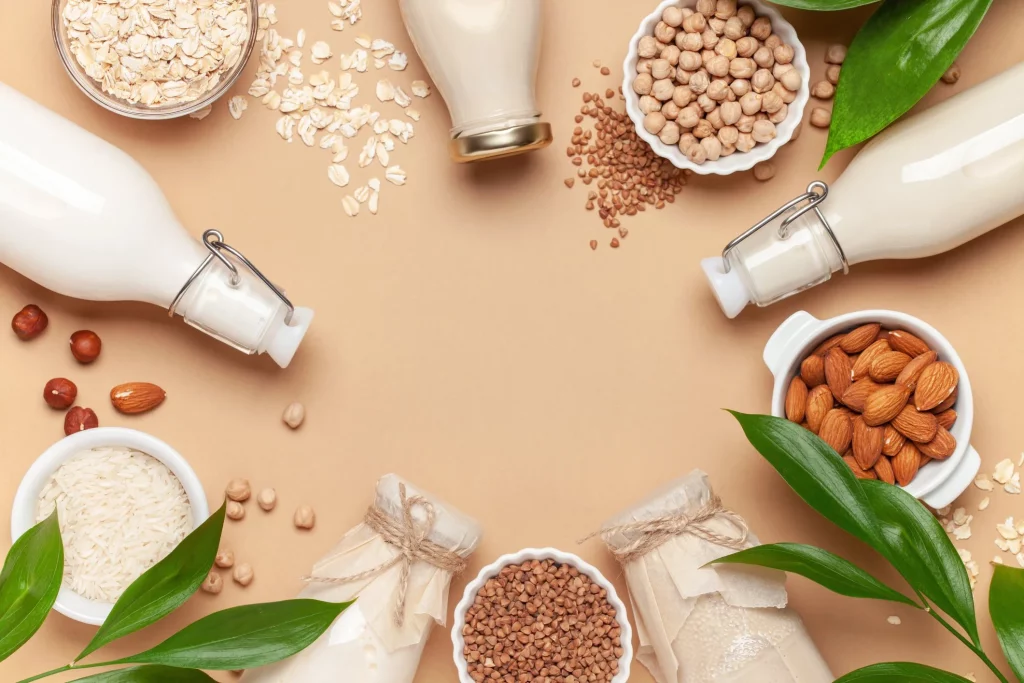
2. Plant-Based Ingredients: A Shift Toward Plant-Powered Nutrition
2.1 What Are Plant-Based Ingredients?
Plant-based ingredients refer to foods derived from plants, such as fruits, vegetables, grains, nuts, seeds, legumes, and plant-based alternatives to meat and dairy products. These ingredients are naturally low in saturated fat, cholesterol, and calories, making them an attractive choice for those seeking to improve their overall health and reduce the risk of chronic diseases.
Plant-based foods are often packed with fiber, vitamins, minerals, and antioxidants, providing numerous health benefits such as improved digestion, heart health, and weight management.
The growing popularity of plant-based diets has led to the increased use of plant-based alternatives, such as plant-based milk (almond, oat, soy), plant-based cheeses, and plant-based meats, in a variety of recipes.
2.2 The Health Benefits of Plant-Based Foods
2.2.1 Rich in Nutrients
Plant-based foods are rich in vitamins, minerals, fiber, and antioxidants that support overall health. For example, vegetables like spinach and broccoli are packed with vitamin K, folate, and iron, while fruits like berries are rich in vitamin C, fiber, and antioxidants that protect against cellular damage.
Nuts and seeds, such as almonds and chia seeds, provide healthy fats, protein, and omega-3 fatty acids—essential for heart health and brain function.
2.2.2 Heart Health
Plant-based diets are known to have a positive effect on heart health by lowering the risk of heart disease. Plant-based foods are naturally low in saturated fats and free of cholesterol, both of which contribute to heart disease risk when consumed in excess. Instead, they provide healthier fats, such as monounsaturated and polyunsaturated fats, which can help reduce bad cholesterol (LDL) and increase good cholesterol (HDL).
A plant-based diet also promotes healthy blood pressure levels, thanks to high levels of potassium, magnesium, and fiber, which are found in many plant-based foods.
2.2.3 Weight Management
Many plant-based foods are low in calories but high in fiber, which promotes feelings of fullness and helps control appetite. This can be beneficial for weight loss or weight maintenance. The fiber content also supports digestive health, reduces inflammation, and may reduce the risk of certain cancers.
2.2.4 Gut Health and Digestion
The fiber found in plant-based foods is crucial for digestive health. Soluble fiber, found in foods like oats, beans, and fruits, helps regulate blood sugar levels and improves digestion. Insoluble fiber, found in vegetables and whole grains, supports gut motility, prevents constipation, and promotes overall digestive health.
2.3 Popular Plant-Based Ingredients in Desserts and Recipes
Plant-based ingredients are being increasingly used to create desserts that are both healthy and delicious. Many plant-based alternatives are being used to replace dairy, sugar, and animal-derived fats in recipes, such as:
- Coconut milk or almond milk as substitutes for dairy milk in smoothies, puddings, and cakes.
- Plant-based sweeteners like maple syrup, coconut sugar, and dates instead of refined sugar.
- Avocados as a creamy base for chocolate mousse or frosting.
- Almond flour or oat flour for gluten-free baking, offering a lighter, healthier option than traditional wheat flour.
Plant-based desserts, such as vegan chocolate cake, chia pudding, and fruit sorbets, are gaining popularity because they are nutritious, dairy-free, and suitable for people with dietary restrictions.
3. The Synergy Between Low-Fat Yogurt and Plant-Based Ingredients
One of the most exciting aspects of modern healthy eating is the synergy between low-fat yogurt and plant-based ingredients. These two types of ingredients are not only healthful on their own but also complement each other well, enhancing both taste and nutritional value in recipes.
For example, a smoothie made with low-fat yogurt and plant-based ingredients like spinach, berries, and almond milk provides a balanced meal that includes protein, healthy fats, fiber, and essential vitamins and minerals.
Moreover, plant-based ingredients often help enhance the flavor profile of low-fat yogurt, which can sometimes be perceived as tart or bland on its own. By pairing yogurt with ingredients like fresh fruit, spices like cinnamon or vanilla, and nut butters, you can create a wide range of delicious and nutritious dishes that are both satisfying and healthy.
Conclusion: Embracing the Trend of Healthier Eating
The growing popularity of low-fat yogurt and plant-based ingredients marks an exciting shift toward more mindful and health-conscious eating. Whether you are looking to improve gut health, lose weight, or simply enjoy delicious, nutritious meals, these ingredients offer a wealth of options to explore.
As we move into a more health-conscious era, embracing low-fat yogurt and plant-based ingredients in everyday recipes will continue to be a key trend. The diverse range of flavors and health benefits makes these ingredients ideal for anyone looking to enhance their well-being while still enjoying tasty, satisfying meals.
With endless possibilities for incorporating these ingredients into your diet, now is the perfect time to start embracing this healthful trend and discover how delicious healthy eating can be.