










Introduction: The Heartbeat of Urban Cuisine
Street food is an integral part of many cities around the world. From the bustling streets of Bangkok to the vibrant alleys of Istanbul, street food vendors serve more than just meals—they provide a cultural experience. Street food connects people to the flavors of a place, offering a taste of tradition, innovation, and community. For many, these simple yet flavorful dishes are often their first introduction to a city’s culinary heritage.
While the convenience and accessibility of street food make it an attractive option for busy city dwellers, these foods are not just quick bites to eat; they are representations of culture, stories of tradition, and, most importantly, embodiments of local identity. Street food vendors, with their unique dishes, often become the lifeblood of a city’s food scene, offering both locals and visitors an opportunity to experience the real taste of a region in a way that is both authentic and affordable.
In this article, we will delve into the stories behind street food vendors—who they are, where they come from, and how their foods have shaped both urban landscapes and global food trends. We will explore the evolution of street food, the cultural importance of these foods, and the challenges that vendors face in keeping these culinary traditions alive.
1. The Origins of Street Food: A Global Perspective
1.1 The Evolution of Street Food
Street food has been around for centuries, and its evolution is tied to the growth of cities and the development of trade routes. In ancient civilizations, street food vendors often played a crucial role in feeding the public, offering convenient, affordable meals to workers, travelers, and city dwellers. These early food vendors typically offered simple, easy-to-eat foods like bread, meats, and grains that could be quickly prepared and sold to people on the go.
The modern concept of street food as we know it today—diverse, often ethnic, and reflective of local flavors—emerged during the Industrial Revolution. As cities became more crowded and industrialized, the demand for cheap, fast meals grew. Street food vendors, particularly in major urban centers, responded to this need by offering meals that could be eaten quickly, with minimal preparation, and at low prices.
Today, street food represents a dynamic, global phenomenon, with vendors offering everything from tacos and sushi to fried rice and falafel. In many cities, food trucks, food carts, and open-air stalls are just as important to the food scene as sit-down restaurants, providing both authentic traditional flavors and modern twists on global dishes.
1.2 The Cultural Importance of Street Food
Street food plays an important role in preserving and celebrating cultural identity. Traditional recipes, passed down through generations, are often sold in the streets, making them accessible to both locals and tourists alike. For example, in Mexico, the taco truck is not just a food truck; it is a vessel for passing down family recipes that showcase the diverse culinary traditions of the country. Similarly, in India, the humble pani puri sold on street corners carries with it centuries of culinary history and regional variation.
In many parts of the world, street food is also an expression of community. In Thailand, food vendors often set up shop in night markets, creating an environment where people come together not just to eat, but to socialize, share stories, and enjoy the vibrant atmosphere. These food markets become microcosms of the broader cultural and social fabric of the region, where food acts as a unifying force.
Street food, thus, is not just a matter of convenience—it’s an identity marker, a way for people to connect with their cultural roots and share that connection with others.
2. Famous Street Foods Around the World
2.1 Asia: A Rich Tradition of Street Food
Asia is home to some of the world’s most iconic street food dishes, which reflect the region’s rich culinary diversity and cultural heritage. In countries like China, India, Thailand, and Japan, street food is an essential part of daily life. Let’s take a look at some of the most beloved street foods from across the continent:
- Thailand: Known for its aromatic flavors, Thai street food is a fusion of sweet, sour, salty, and spicy tastes. Pad Thai, som tam (green papaya salad), and mango sticky rice are popular dishes found at street-side stalls. The night markets in cities like Bangkok are bustling with food vendors serving up everything from satay skewers to fried insects.
- China: From dumplings to baozi (steamed buns), Chinese street food is a testament to the country’s diverse regional cuisines. Street food vendors are often seen in crowded areas, offering jiaozi (dumplings) and xiaolongbao (soup dumplings) that are deeply rooted in Chinese culture. These foods provide a quick and affordable way to taste the authenticity of traditional Chinese flavors.
- India: Street food in India is a sensory overload—flavors are bold, and the variety is astounding. Chaat—a collection of snack foods like pani puri, bhel puri, and aloo tikki—can be found across the country. These dishes are often eaten on the go and represent a fusion of spicy, tangy, sweet, and salty elements.
- Japan: Japan’s street food culture is defined by a mix of traditional and modern influences. Takoyaki, okonomiyaki, and yaki soba are popular dishes that are often sold in street food stalls during festivals or in busy commercial areas.
Each of these street food traditions represents the cultures from which they originate, often passed down from generation to generation. The food offers a taste of heritage, and for many, it’s a way to reconnect with their cultural history.
2.2 Latin America: Vibrancy and Flavor
Street food in Latin America is just as diverse and culturally significant. Countries across the continent offer an array of flavorful dishes that reflect local agricultural resources, history, and traditions:
- Mexico: Mexican street food is one of the most globally recognized. Tacos are ubiquitous, and each region offers its own variations, from tacos al pastor (marinated pork) in Mexico City to fish tacos on the Pacific Coast. The food is simple but flavorful, using fresh ingredients like cilantro, lime, and salsa.
- Colombia: Colombian street food includes popular dishes like arepas, which are made from corn dough and served with various fillings like cheese or meats. Empanadas, churros, and cachapas (sweet corn pancakes) are also common street foods enjoyed by locals and visitors alike.
- Brazil: Brazil is known for its street food scenes during Carnival, where vendors serve pastéis (fried pastry pockets), acai bowls, and cachorro-quente (Brazilian hot dogs). Brazilian street food reflects the country’s multicultural influences, with dishes that merge Indigenous, African, and European flavors.
In Latin America, street food is deeply rooted in community gatherings and festivals, where people come together to celebrate and share food, making it a vital part of social interaction.
2.3 Europe: Street Food Reinvented
Street food in Europe is also a celebration of diversity, with each country offering its own interpretation of fast, affordable food:
- Italy: Italy’s famous pizza and gelato can be found in every corner of the country. While pizza al taglio (pizza by the slice) and supplì (fried rice balls) are staples in Rome, every region has its own unique street food culture. Focaccia in Liguria and arancini (stuffed rice balls) in Sicily are among the region-specific delicacies.
- Turkey: In cities like Istanbul, street food vendors serve simit (sesame-crusted bread rings) and kebabs, both of which are staples of Turkish street food. The combination of Middle Eastern spices and Mediterranean ingredients creates complex and irresistible flavors.
3. Challenges Faced by Street Food Vendors
3.1 The Risks of Informality
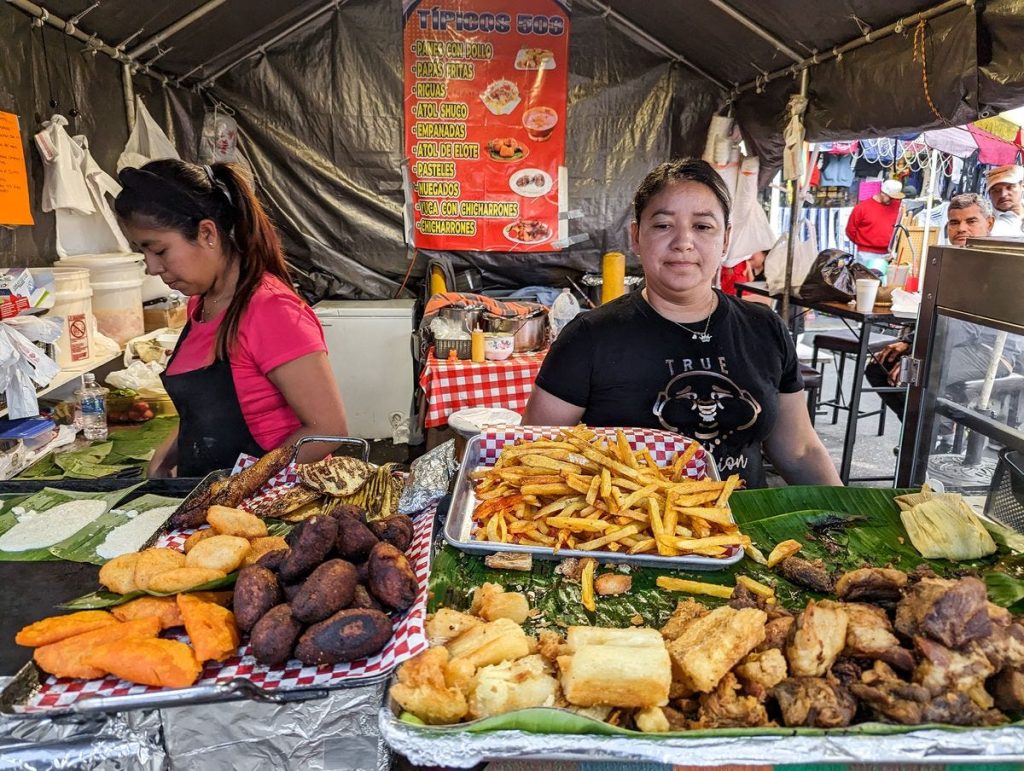
While street food is integral to the local economy and culture, it also comes with its set of challenges. In many countries, street food vendors operate informally, without licenses or permits. This lack of regulation can lead to health risks, safety concerns, and lack of protection for vendors.
For many street food vendors, however, working outside the formal economy is a matter of survival. Operating on the street allows vendors to reach large numbers of people quickly and provides them with an income that would be difficult to achieve in a formal job. Despite these challenges, many vendors find creative ways to adapt and thrive within the informal economy, creating lasting connections with their customers.
3.2 The Impact of Globalization
Another challenge that street food vendors face is the growing globalization of food trends. With the rise of food trucks and international food chains, some traditional vendors have had to compete with fast-food chains and imported franchises that offer standardized, low-cost options.
However, many vendors are embracing globalization by offering fusion foods or adapting their menus to modern tastes while still preserving the authenticity of traditional dishes. In this way, street food vendors have shown an incredible resilience and ability to evolve without losing their roots.
4. The Future of Street Food
The future of street food looks promising, with the rise of food trucks, night markets, and street food festivals around the world. Street food is increasingly being recognized for its cultural significance and culinary value. The next few years will likely see further innovation and growth in this sector, as more cities embrace the benefits of street food as a unique form of urban cuisine.
With globalization, technology, and changing consumer preferences, street food vendors will continue to adapt and thrive, offering new experiences to a global audience.
Conclusion
Street food is more than just a meal on the go—it’s a cultural exchange, a story passed down from generation to generation, and a vital force in the culinary landscape. From the vibrant streets of Asia to the bustling food carts of Latin America, street food vendors continue to shape the way we eat and experience the world.
As we continue to embrace street food’s global influence, it is important to recognize the importance of preserving these traditions while embracing innovation. Street food vendors are not just serving food—they are offering a taste of history, community, and the shared human experience that connects us all.