









Introduction: The Power of Color in Plant-Based Meals
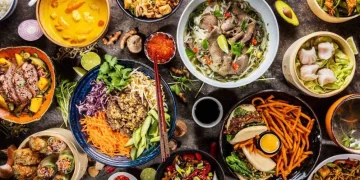
In recent years, plant-based diets—particularly vegetarian and vegan meals—have been gaining widespread popularity not just for their health benefits but also for their aesthetic appeal. Beyond the health-conscious choices that many associate with these diets, modern plant-based meals are characterized by their vibrant, colorful presentation. Whether in vegan bowls, salads, stir-fries, or raw dishes, the use of colorful ingredients has become central to the design of plant-based meals.
The visual appeal of a dish often plays a critical role in our experience of food. Colorful food is more enticing, appetizing, and visually stimulating, and this trend has significantly influenced the evolution of plant-based cuisine. Chefs and home cooks alike are increasingly experimenting with color combinations, taking into account both nutritional value and aesthetic beauty to create dishes that are not only nourishing but also delightful to look at.
This article explores how the emphasis on color pairing in modern vegetarian and vegan cooking elevates the dining experience. We will examine how different colors of plant-based ingredients influence the aesthetic and nutritional value of meals, how color can be used creatively to enhance flavor profiles, and how contemporary plant-based dishes have embraced colorful diversity to create meals that nourish the body, mind, and soul.
1. The Role of Color in Plant-Based Meals
1.1 Color Psychology and Appetite Appeal
The link between color and appetite has been well documented in food psychology. Different colors evoke various psychological and emotional responses, which directly influence our desire to eat. For example, warm tones like red, orange, and yellow are thought to increase appetite, while cooler tones like blue and green can have a calming effect and may suppress hunger.
In the context of plant-based meals, color serves as a visual cue that enhances the appeal of the food. Vibrant vegetables and fruits—such as tomatoes, beets, carrots, spinach, and blueberries—create an immediate visual draw. These colorful ingredients not only make the meal more exciting but also signal freshness and nutrient density.
Color can also affect the perception of taste. Brightly colored foods are often associated with freshness and natural flavors, while duller-colored foods can sometimes suggest staleness or lack of vibrancy. For example, a dish that includes the deep red of roasted beets, the green of sautéed spinach, and the orange of roasted sweet potatoes creates a feast for both the eyes and the palate.
1.2 Aesthetic Appeal: The Art of Color Pairing
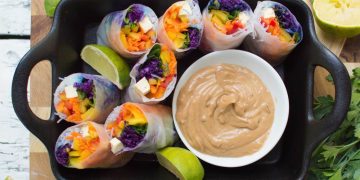
Modern vegetarian and vegan chefs have mastered the art of color pairing—the strategic combination of colors to enhance the visual appeal of the dish. Using a mix of complementary, analogous, and contrasting colors, chefs can design plates that are visually dynamic and harmonious.
- Complementary color pairings are those that are opposite each other on the color wheel. For instance, the green of spinach can be paired with the red of roasted peppers, or purple cabbage can be complemented by the yellow of corn. This creates an eye-catching contrast that draws attention to different elements of the dish.
- Analogous colors sit next to each other on the color wheel, creating a more harmonious blend. A dish with yellow bell peppers, green zucchini, and orange carrots offers a smooth, unified visual that feels balanced and natural.
- Contrasting colors like green and purple (think spinach and eggplant), or red and white (tomatoes and cauliflower) add excitement to the plate, as they play off each other’s vibrancy and highlight the diversity of plant-based ingredients.
Creating such balanced yet dynamic color pairings is key to transforming a plant-based dish into a work of art.
2. Nutritional Benefits of Colorful Plant-Based Ingredients
2.1 Phytochemicals and Their Color Significance
One of the primary reasons for the focus on colorful foods in plant-based diets is their nutritional benefits. The color of plant-based ingredients often indicates the presence of specific phytochemicals—natural compounds found in plants that provide various health benefits.
- Red and Pink foods, like tomatoes, strawberries, and beets, are rich in lycopene and anthocyanins, antioxidants that are linked to reduced inflammation and better heart health.
- Orange and Yellow foods, such as carrots, sweet potatoes, and butternut squash, are high in beta-carotene, which the body converts into vitamin A for healthy vision and skin.
- Green vegetables, like spinach, broccoli, and kale, are packed with chlorophyll and other flavonoids, which are beneficial for detoxification, improving digestion, and reducing the risk of chronic diseases.
- Purple and Blue foods, like eggplant, purple cabbage, and blueberries, are rich in anthocyanins that support brain health and have anti-aging properties.
When combined in a single dish, these vibrant plant-based ingredients provide a wide spectrum of nutrients and antioxidants that promote overall health and well-being.
2.2 Eating the Rainbow: A Holistic Approach to Nutrition
The concept of “eating the rainbow” has become a popular guideline for incorporating a wide variety of fruits and vegetables into the diet. By including a variety of colors on the plate, individuals can ensure they’re getting a broad spectrum of nutrients that cover everything from vitamins and minerals to fiber and antioxidants.
A colorful plate typically includes a combination of leafy greens, root vegetables, fruits, legumes, and grains, which collectively provide the body with essential nutrients while offering a visually stimulating experience. Whether served in a grain bowl, salad, or stir-fry, the combination of different colors guarantees a nutritious and vibrant meal.

3. Modern Plant-Based Dishes: Embracing Color in Contemporary Cooking
3.1 Plant-Based Bowls: A Canvas for Colorful Creativity
The rise of grain bowls, smoothie bowls, and poke bowls has propelled colorful plant-based eating to new heights. These bowls are typically packed with a variety of fresh, colorful ingredients that can be customized according to dietary preferences. Whether made with quinoa, brown rice, or cauliflower rice as the base, these bowls are filled with layers of vibrant vegetables, legumes, fruits, and protein sources such as tofu or tempeh.
A well-composed plant-based bowl might include orange carrots, green kale, purple cabbage, red beets, and yellow bell peppers, all arranged thoughtfully for maximum color contrast and nutritional diversity. The key is to ensure that each component of the bowl complements both the flavor and aesthetic of the dish, creating a visually cohesive and nourishing meal.
3.2 Raw and Cooked Dishes: A Fusion of Color
In modern vegetarian and vegan cooking, both raw and cooked ingredients are being used to create diverse, colorful dishes. Raw vegetables and fruits provide a fresh, crisp texture, while cooked elements add depth and warmth. This fusion allows for an incredible range of color and texture combinations, from roasted sweet potatoes to grilled zucchini and raw avocado slices.
For example, a popular dish in modern plant-based cuisine is a roasted vegetable salad featuring a mix of caramelized purple onions, roasted sweet potatoes, steamed broccoli, and fresh tomatoes. The contrast of cooked and raw ingredients—along with the varied colors—provides a perfect balance of flavor and visual appeal.
4. The Aesthetic of Plant-Based Desserts
While savory plant-based meals have become synonymous with color and creativity, plant-based desserts are also embracing this vibrant trend. Vegan ice creams, raw cakes, fruit parfaits, and chia pudding are often prepared with colorful fruits like mango, dragon fruit, berries, and pomegranates. These ingredients not only add vibrant colors but also provide natural sweetness and healthy nutrients.
Raw vegan cheesecakes, often made from cashews or coconut, are frequently adorned with fruits like berries, kiwi, and citrus slices to enhance both their flavor and appearance. The natural beauty of the fruit contrasts beautifully with the creamy, neutral tones of the base, making these desserts as visually enticing as they are delicious.
5. Conclusion: The Future of Colorful Plant-Based Cuisine
As the world of plant-based eating continues to grow, the emphasis on color pairing and the creative selection of ingredients will only become more integral to both the art and health of food. Modern vegetarian and vegan dishes are more than just nourishing—they are vibrant, creative expressions of the diverse plant-based ingredients available today.
Through the strategic use of color, plant-based meals are becoming not only healthier but also more appealing and exciting. Whether you’re a professional chef or a home cook, focusing on color and ingredient selection allows you to craft dishes that are both visually stunning and nutritionally beneficial, making the journey toward a plant-based lifestyle even more enjoyable.
In this age of growing awareness about sustainability, nutrition, and the importance of mindful eating, plant-based cuisine has found a new and exciting identity through its colorful diversity. With the increasing availability of colorful fruits, vegetables, and plant-based proteins, the world of plant-based dining is just beginning to unlock its full potential, creating meals that are as delightful to look at as they are to eat.