









Introduction: The Sensory Language of Food
Food is not just sustenance; it is a multi-sensory experience. Beyond taste, visual and tactile cues communicate temperature, texture, and freshness. Images of cut cakes, splattering sauces, or freshly stirred soups can evoke the warmth, softness, or crispiness of a dish before a bite is even taken.
In modern culinary arts, food presentation and photography are essential for storytelling. These sensory cues influence perception, appetite, and even emotional connection to food. This article explores the interplay of temperature, texture, and visual representation, and their roles in professional cooking, food media, and consumer experience.
1. The Science of Food Texture and Temperature
1.1 Understanding Food Texture
Texture, or mouthfeel, is defined by the physical sensations of food in the mouth. It encompasses:
- Crispiness: achieved through frying, baking, or caramelization.
- Creaminess: from emulsified sauces or dairy products.
- Chewiness: influenced by gluten development or gelatinization.
- Juiciness: determined by moisture content and cooking methods.
The texture of food is not only functional but also emotional, evoking satisfaction, comfort, or indulgence.
1.2 Temperature Perception
Temperature enhances sensory appeal. Hot soups or freshly baked cakes communicate warmth, comfort, and freshness, while chilled desserts suggest refreshment and delicacy. Thermosensory cues activate specific neural pathways, creating an anticipatory pleasure response even before tasting.
For chefs and food photographers, highlighting temperature visually enhances the perceived quality and appeal of a dish.
2. Cut Cakes: Visualizing Softness and Moisture
2.1 Techniques for Emphasizing Texture
Cutting a cake reveals its internal structure:
- Sponge layers, airy crumbs, and creamy fillings.
- Moist interiors contrasted with crisped exteriors.
- Glazes or frostings melting over edges suggest richness and freshness.
High-resolution close-ups can convey softness and density, giving viewers a sensory preview.
2.2 Emotional Impact
Cakes are often associated with celebrations and rituals. A cut cake image triggers memories of birthdays, weddings, or family gatherings. Showing texture and moisture emphasizes indulgence and evokes nostalgia and anticipation.
3. Splattering Sauces: Dynamic Storytelling
3.1 Capturing Motion and Freshness
Sauces in motion — pouring, drizzling, or splattering — create a sense of immediacy. This suggests:
- Hot temperature
- Fresh preparation
- Active culinary engagement
High-speed photography can freeze droplets mid-air, highlighting viscosity, shine, and color contrast.
3.2 Culinary Implications
Different sauces convey different narratives:
- Tomato sauce evokes homemade warmth.
- Chocolate ganache suggests decadence and luxury.
- Vinaigrettes or emulsified dressings convey freshness and lightness.
Motion communicates the chef’s intent and the dish’s sensory qualities, making it more enticing to the audience.
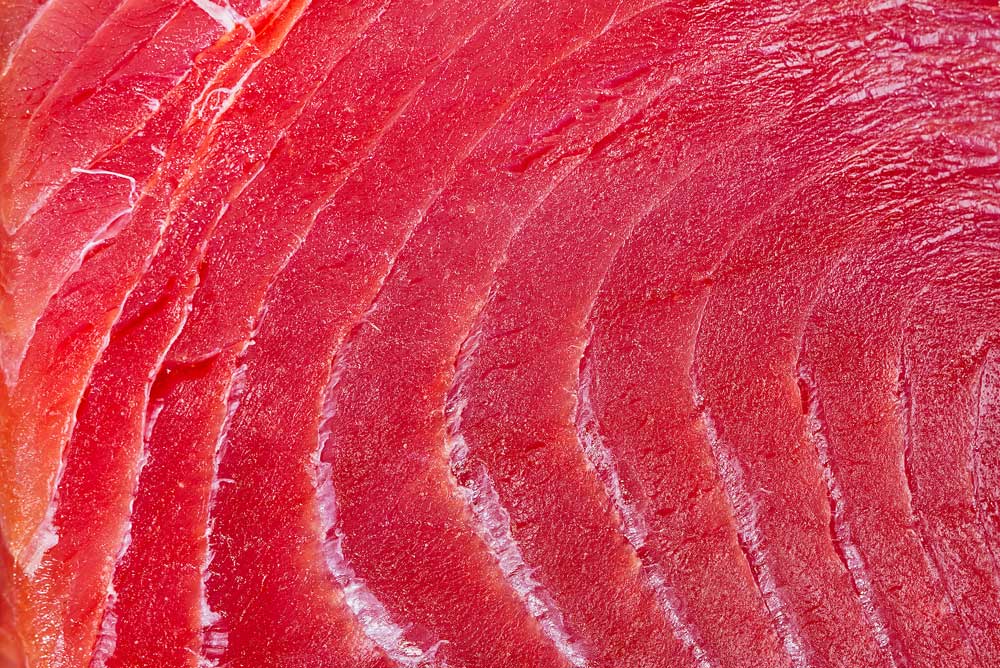
4. Freshly Stirred Soups: Conveying Warmth and Comfort
4.1 Visual Indicators of Temperature
Freshly stirred soups showcase:
- Rising steam
- Surface reflections
- Ripples and swirling patterns
These cues signal heat, freshness, and creaminess, allowing viewers to imagine aroma and flavor.
4.2 Cultural and Emotional Associations
Soups are universal comfort foods. The visual of stirring evokes care, patience, and home cooking. It emphasizes human touch in preparation, enhancing the emotional resonance of the dish.
5. Photography Techniques to Capture Food Texture and Temperature
5.1 Lighting and Composition
- Side lighting emphasizes depth, shadows, and texture.
- Top-down shots reveal structure and layering.
- Macro lenses capture minute details: crumb density, sauce droplets, or steam.
Lighting choices convey warmth or coolness, shaping viewer perception of temperature.
5.2 Motion Capture
- High-speed photography freezes splashes and drips.
- Long exposure with subtle blur suggests fluid motion.
- Sequential shots can illustrate preparation steps dynamically.
These techniques create a multi-sensory visual narrative, merging texture with implied taste and temperature.
5.3 Color and Contrast
- Warm tones (reds, oranges, browns) suggest heat and richness.
- Cool tones (blues, greens, pale whites) convey chill and lightness.
- Contrasts between creamy and crisp elements enhance textural perception.
6. Culinary Techniques to Enhance Visual Appeal
6.1 Cakes and Layered Desserts
- Precise cutting and plating reveal structural contrast.
- Sprinkling powdered sugar or cocoa adds dimensional texture.
- Drizzling syrups or sauces communicates moisture and indulgence.
6.2 Sauces and Glazes
- Emulsification creates smooth, shiny textures.
- Reduction techniques increase viscosity, making sauce visually appealing.
- Splattering adds dynamic storytelling, showing active cooking.
6.3 Soups and Stews
- Whisking or stirring before serving introduces surface ripples.
- Garnishes like herbs or cream create color contrast and enhance mouthfeel cues.
- Steam, captured with subtle backlighting, communicates freshly prepared heat.
7. Psychological Impact of Food Presentation
7.1 Appetite Stimulation
Humans are naturally drawn to visual cues of freshness, warmth, and texture. Images of cut cakes, splattering sauces, or steaming soups stimulate anticipatory pleasure, influencing taste perception even before consumption.
7.2 Emotional Resonance
- Warm dishes evoke comfort and care.
- Splattering sauces suggest energy and creativity.
- Layered textures convey attention to detail and quality.
Food imagery becomes storytelling, connecting visual perception with memory, emotion, and desire.
8. Case Studies: Effective Use of Visual Storytelling
8.1 Bakery Advertising
- Close-ups of sliced cakes with dripping chocolate or cream illustrate freshness and indulgence.
- Macro shots of crumb texture communicate artisanal quality.
8.2 Culinary Media
- Cooking shows capture sauces mid-pour, soups mid-stir, and baked goods mid-cut.
- These visuals increase engagement and viewer anticipation, bridging the gap between sight and taste.
8.3 Social Media Platforms
- Instagram, TikTok, and Pinterest rely heavily on textural and thermal cues.
- Steaming soups, melting chocolate, and crisped exteriors make food visually irresistible, driving interaction and sharing.
9. Integrating Temperature and Texture in Modern Cuisine
9.1 Molecular Gastronomy
- Chefs manipulate temperature, viscosity, and texture to create unique sensory experiences.
- Foam, gels, and liquid nitrogen techniques allow visual and tactile cues to enhance flavor perception.
9.2 Farm-to-Table and Fresh Ingredients
- Freshness translates visually: vibrant colors, natural textures, and steam.
- Highlighting temperature and texture reinforces authenticity and quality.
9.3 Interactive Dining Experiences
- Open kitchens, tableside preparations, and pouring sauces at service create immersive sensory storytelling.
- Guests witness texture and temperature in real time, enhancing anticipation and engagement.
10. Future Directions in Food Visualization
10.1 Virtual and Augmented Reality
- VR/AR could simulate temperature perception and texture visually.
- Interactive experiences allow consumers to anticipate taste and mouthfeel, bridging visual and sensory cues.
10.2 AI and Food Styling
- AI-assisted photography can suggest optimal angles, lighting, and motion to convey temperature and texture.
- Automation may enhance consistency in visual storytelling for marketing and culinary media.
10.3 Sustainability and Transparency
- Highlighting fresh, natural textures communicates ingredient quality and sustainability.
- Visual storytelling can educate consumers about source, preparation, and environmental impact.
Conclusion: The Art of Sensory Storytelling Through Food
Cut cakes, splattering sauces, and freshly stirred soups are more than culinary creations — they are visual and sensory narratives. By emphasizing texture, temperature, and motion, chefs and food photographers engage the audience on multiple levels, stimulating anticipation, emotion, and appetite.
Modern gastronomy, media, and technology continue to explore innovative ways to translate sensory experiences visually, transforming the act of eating into a multi-dimensional story.
Food, in this sense, becomes art, science, and emotion combined, inviting viewers and diners to experience warmth, freshness, and texture before the first bite.