









Introduction: A New Culinary Paradigm
The global culinary landscape is undergoing a profound transformation. Increasingly, chefs, home cooks, and food enthusiasts are recognizing that sustainability is no longer optional. Rising awareness about environmental degradation, climate change, and food waste has catalyzed the adoption of zero-waste cooking, a philosophy that seeks to maximize the use of every ingredient while minimizing waste.
Zero-waste cooking challenges traditional approaches to food preparation. It redefines what is considered usable, encourages creative utilization of scraps and by-products, and fosters a deeper connection with the food ecosystem. This movement is more than a trend; it represents a holistic approach to eating, ethics, and ecology.
1. Understanding the Concept of Zero-Waste Cooking
1.1 Defining Zero-Waste in the Culinary Context
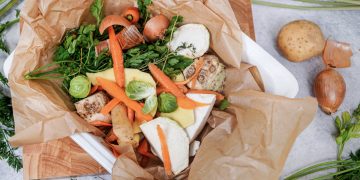
Zero-waste cooking involves utilizing all parts of an ingredient, whether it is the stalks, skins, seeds, or stems. The principle is simple yet transformative: nothing edible should be discarded.
- Example: Carrot tops can be transformed into pesto, vegetable peels can become broths, and fruit pulp can be incorporated into baked goods.
- Objective: Reduce landfill contributions while enhancing flavor complexity and nutritional value.
1.2 Historical and Cultural Roots
Many traditional cuisines inherently practiced zero-waste principles. In Asian, Mediterranean, and African culinary traditions, every component of food was repurposed:
- Bone broths and stocks in Chinese and French cuisine.
- Pickling of leaves and stems in Korean and Indian dishes.
- Use of fruit peels and pulp in North African tagines and preserves.
Modern zero-waste cooking revives these time-tested practices, combining innovation with cultural heritage.
2. The Environmental Imperative
2.1 Food Waste as a Global Crisis
According to the Food and Agriculture Organization (FAO), approximately one-third of all food produced globally is wasted. This waste contributes to:
- Greenhouse gas emissions
- Resource depletion (water, soil, energy)
- Economic losses and social inequities
Zero-waste cooking addresses these issues at the source, transforming individual kitchens into sites of environmental stewardship.
2.2 Reducing Carbon Footprint Through Mindful Sourcing
- Choosing seasonal, local ingredients minimizes transport emissions.
- Repurposing parts of food reduces waste-processing energy.
- Emphasizing plant-based components further reduces environmental impact.
By incorporating zero-waste principles, cooks contribute to a circular food system, where resources are respected and conserved.
3. Culinary Techniques for Zero-Waste Cooking
3.1 Using Vegetable Scraps Creatively
Vegetable peels, stems, and leaves are flavor-packed ingredients. Common techniques include:
- Stocks and broths: Onion skins, carrot tops, celery leaves create rich, aromatic bases.
- Pestos and sauces: Herb stems and leafy greens can be blended with nuts, oil, and spices.
- Roasting or chips: Potato peels or beetroot skins can be seasoned and crisped for snacks.
3.2 Fruit and Citrus Innovations
Citrus peels, cores, and overripe fruits can be transformed into:
- Zests for baking and seasoning
- Infused syrups and vinegar
- Fermented beverages or jams
Even the seeds can be roasted or used for oil extraction in creative culinary applications.
3.3 Protein and Animal-Based Ingredients
Zero-waste practices extend to animal-based products:
- Bone and marrow broths: Nutrient-rich and deeply flavorful.
- Vegetable-lean cuts for stocks or slow cooking
- Eggshell powder: As a calcium supplement or natural fertilizer.
Such practices honor the entire ingredient, aligning ethical considerations with gastronomy.
4. Nutrition and Flavor Advantages
Zero-waste cooking is not only environmentally responsible but culinarily enriching.
4.1 Enhanced Nutritional Value
- Vegetable stems and leaves are often richer in vitamins and minerals than the main produce.
- Fermentation and pickling of scraps enhance probiotics and digestive benefits.
- Utilizing the whole ingredient maximizes dietary fiber and micronutrients.
4.2 Complexity of Flavors
Scraps and secondary parts often concentrate flavors:
- Carrot tops provide a fresh, slightly bitter note in pesto.
- Onion skins impart a deep umami richness to stocks.
- Fruit peels add citrusy brightness and aromatic complexity.
Through zero-waste cooking, chefs unlock layers of taste previously discarded, expanding culinary creativity.
5. The Role of Fermentation and Preservation
Fermentation, pickling, and curing are cornerstones of zero-waste kitchens.
5.1 Fermentation Techniques
- Vegetable fermenting: Transform carrot tops, radish greens, or cabbage cores into kimchi, sauerkraut, or pickles.
- Fruit fermentation: Overripe fruits become vinegar, wine, or naturally sweetened ferments.
Fermentation prolongs shelf life, reduces spoilage, and introduces unique probiotic qualities.
5.2 Dehydration and Preservation
Dehydrating peels, stems, or herbs allows:
- Long-term storage without additives.
- Creation of powders for seasoning or natural flavoring.
- Resource-efficient cooking by repurposing components that would otherwise decay.
6. Tools and Infrastructure for Zero-Waste Kitchens
6.1 Smart Kitchen Tools
Modern zero-waste kitchens often employ:
- Food processors and blenders for pulping scraps.
- Vacuum sealers to extend shelf life.
- Compost bins for inedible components, converting waste into nutrient-rich soil.
6.2 Digital Platforms and Apps
Technology supports zero-waste cooking through:
- Recipe apps for using leftovers creatively
- Online communities sharing scrap-based culinary innovations
- Food-sharing platforms to reduce household waste
7. Education and Cultural Shifts
7.1 Culinary Education Programs
Many culinary schools are incorporating sustainability and zero-waste modules:
- Teaching students ingredient utilization strategies
- Encouraging mindful sourcing and ethical culinary practices
- Promoting flavor innovation using discarded components
7.2 Public Awareness Campaigns
Organizations, NGOs, and social media campaigns are spreading zero-waste principles:
- “Ugly” produce campaigns normalize aesthetically imperfect yet nutritionally perfect ingredients
- Workshops and cooking classes teach practical, scalable solutions for home kitchens
Cultural adoption of zero-waste cooking reflects a broader societal commitment to sustainability.
8. Economic Implications
8.1 Cost-Effectiveness
- Repurposing scraps reduces grocery expenses
- Maximizing ingredient use decreases waste disposal costs
- Restaurants and caterers report improved margins while maintaining ethical practices
8.2 Supporting Local Economies
- Purchasing local, seasonal, and imperfect produce supports farmers and local markets
- Encourages community engagement and circular food systems
Zero-waste cooking thus aligns economic efficiency with environmental and social responsibility.
9. Challenges and Solutions
9.1 Perception Barriers
- Some consumers perceive scraps as inferior or unappealing.
- Overcoming these perceptions requires education and creative presentation.
9.2 Food Safety Concerns
- Proper handling, washing, and storage of secondary ingredients are critical.
- Culinary techniques such as blanching, fermentation, and dehydration mitigate contamination risks.
9.3 Scalability for Commercial Kitchens
- Large-scale operations may face logistical and workflow challenges.
- Innovative systems for ingredient tracking, batch processing, and staff training enable scalability without sacrificing quality.
10. Case Studies and Practical Applications
10.1 Zero-Waste Restaurants
Restaurants worldwide are embracing zero-waste principles:
- Noma (Denmark): Uses foraged ingredients and vegetable scraps in creative dishes.
- Silo (UK): Eliminates packaging and fully utilizes each ingredient.
- Kiin Kiin (Denmark/Thai fusion): Incorporates peels, stems, and bones in flavorful preparations.
10.2 Home Kitchen Innovations
- Transforming broccoli stems into slaws
- Using apple cores for infused water
- Creating herb stem oils for cooking and salad dressings
These practices highlight practicality, creativity, and sustainability in everyday cooking.
11. Broader Impacts on Society and the Environment
11.1 Promoting Conscious Consumption
Zero-waste cooking fosters mindful eating, where individuals:
- Appreciate ingredient value
- Reduce impulsive or excessive consumption
- Develop a deeper awareness of environmental consequences
11.2 Climate Change Mitigation
- Less food waste means lower methane emissions from landfills
- Efficient resource use reduces carbon, water, and energy footprints
- Collective adoption contributes to global sustainability goals
11.3 Cultural and Ethical Engagement
Zero-waste cooking encourages reflection on:
- Ethical food sourcing
- Cultural traditions of resourcefulness
- Food as a shared responsibility for the planet
Conclusion: A Sustainable Culinary Future
As sustainability becomes central to food culture, zero-waste cooking emerges as both a moral and culinary imperative. It embodies a holistic approach, connecting cooks with their ingredients, communities, and the environment.
By exploring scraps, peels, stems, and imperfect produce, cooks not only reduce waste but also enhance nutrition, flavor, and creativity. This philosophy transforms ordinary kitchens into sites of innovation, sustainability, and mindful engagement.
The zero-waste movement demonstrates that every bite, every peel, and every scrap matters. By embracing this approach, culinary professionals and home cooks alike contribute to a future where food is cherished, resources are respected, and environmental impact is minimized.