









Introduction: The Importance of Reducing Inflammation Through Diet
In today’s fast-paced world, inflammation has become a significant health concern. Chronic inflammation is linked to many degenerative diseases, such as heart disease, diabetes, arthritis, and even cancer. However, inflammation isn’t always bad; it’s a natural response of the body’s immune system to fight off infections and repair tissue damage. The problem arises when inflammation becomes chronic, leading to ongoing damage in the body.
Fortunately, there is a growing body of evidence suggesting that the foods we consume can either promote or reduce inflammation in the body. The anti-inflammatory diet focuses on incorporating foods that contain natural compounds known to help reduce inflammation, thereby improving overall health and reducing the risk of chronic diseases.
This article delves into the principles of an anti-inflammatory diet, highlighting key food groups, beneficial compounds, and lifestyle changes that can help you optimize your health and combat chronic inflammation.
1. What is Inflammation?
1.1 Acute vs. Chronic Inflammation
- Acute inflammation is a short-term response to injury or infection. It is the body’s natural healing mechanism and helps protect against harm.
- Chronic inflammation occurs when the body’s immune system remains activated for extended periods, which can lead to the development of diseases like cardiovascular disease, type 2 diabetes, Alzheimer’s, and autoimmune disorders.
1.2 Causes of Chronic Inflammation
Several factors contribute to chronic inflammation, including:
- Dietary choices: Diets high in processed foods, sugars, and unhealthy fats can exacerbate inflammation.
- Sedentary lifestyle: Lack of physical activity is a major contributor to increased inflammation.
- Environmental toxins: Pollution, chemicals, and other environmental stressors can trigger immune system overactivation.
- Stress: Chronic stress increases inflammation and disrupts immune function.
2. Principles of the Anti-inflammatory Diet
An anti-inflammatory diet emphasizes whole, nutrient-dense foods that are rich in antioxidants, polyphenols, fiber, and healthy fats. This dietary approach not only promotes overall health but also specifically targets the reduction of inflammation in the body.
2.1 The Role of Nutrients in Reducing Inflammation
Several nutrients play a key role in reducing inflammation:
- Omega-3 fatty acids: Found in fatty fish, flaxseeds, and walnuts, omega-3s are among the most powerful anti-inflammatory compounds.
- Polyphenols: These are plant-based compounds found in foods like berries, green tea, and olive oil. Polyphenols are potent antioxidants that help reduce oxidative stress and inflammation.
- Fiber: Dietary fiber, particularly from fruits, vegetables, whole grains, and legumes, supports gut health, which is closely linked to inflammation.
- Vitamins and minerals: Nutrients like vitamin D, vitamin C, and magnesium also have anti-inflammatory effects and help support immune function.
3. Key Foods in an Anti-inflammatory Diet
3.1 Fatty Fish: Omega-3 Rich Powerhouses
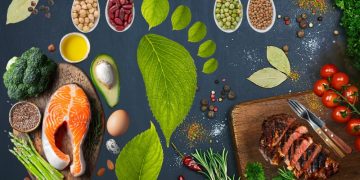
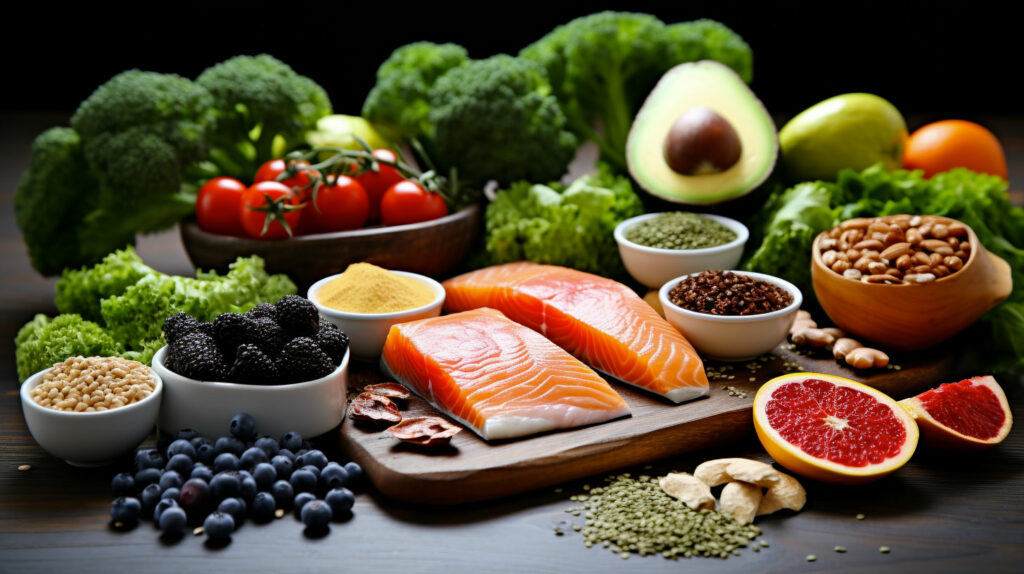
- Salmon, mackerel, sardines, and anchovies are excellent sources of omega-3 fatty acids, specifically EPA (eicosapentaenoic acid) and DHA (docosahexaenoic acid).
- These omega-3s work by inhibiting the production of pro-inflammatory molecules and promoting anti-inflammatory compounds in the body.
- Aim to incorporate at least two servings of fatty fish per week.
3.2 Fruits and Vegetables: Nutrient-Dense and Anti-inflammatory
- Berries (blueberries, strawberries, raspberries): High in antioxidants like anthocyanins, which have been shown to reduce inflammation.
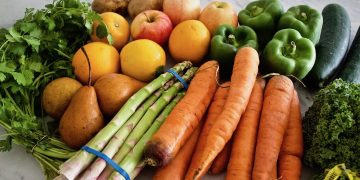
- Leafy greens (spinach, kale, collard greens): Rich in vitamin K, magnesium, and fiber, these vegetables support immune function and reduce inflammation.
- Cruciferous vegetables (broccoli, cauliflower, Brussels sprouts): Contain sulforaphane, a compound with strong anti-inflammatory effects.
- Tomatoes: Rich in lycopene, an antioxidant that has been shown to reduce inflammation in conditions like arthritis.
3.3 Nuts and Seeds: Small but Mighty
- Almonds, walnuts, chia seeds, and flaxseeds are packed with healthy fats (including omega-3s), fiber, and antioxidants.
- These foods help modulate inflammatory pathways, promoting overall health.
3.4 Whole Grains: A Better Source of Carbohydrates
- Brown rice, quinoa, oats, and barley are excellent sources of complex carbohydrates, fiber, and antioxidants.
- Whole grains are much better for reducing inflammation compared to refined grains like white bread or white rice.
3.5 Healthy Fats: Olive Oil and Avocados
- Olive oil, especially extra virgin olive oil, is rich in oleocanthal, a compound that has been compared to ibuprofen for its ability to reduce inflammation.
- Avocados provide monounsaturated fats, fiber, and antioxidants like vitamin E, all of which have anti-inflammatory benefits.
4. Anti-inflammatory Spices and Herbs
4.1 Turmeric: The Golden Root
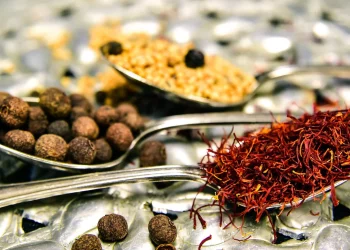
- Curcumin, the active compound in turmeric, is a potent anti-inflammatory and antioxidant.
- Turmeric can help reduce the markers of inflammation in the body, including C-reactive protein (CRP), and it may also help alleviate joint pain in conditions like arthritis.
- For optimal absorption, pair turmeric with black pepper, which contains piperine, enhancing curcumin absorption.
4.2 Ginger: A Powerful Rhizome
- Ginger contains compounds like gingerols that possess anti-inflammatory properties.
- It has been shown to reduce muscle pain, joint stiffness, and improve overall digestive health.
- Ginger can be consumed in various forms, such as fresh, powdered, or as an infusion.
4.3 Garlic: A Flavorful Anti-inflammatory
- Garlic contains sulfur compounds like allicin, which possess significant anti-inflammatory and immune-boosting properties.
- Studies suggest that garlic may help reduce the levels of inflammatory cytokines, which are key players in chronic inflammation.
4.4 Green Tea: Rich in Catechins
- Green tea is rich in catechins, particularly EGCG (epigallocatechin gallate), a compound that has potent antioxidant and anti-inflammatory effects.
- Drinking 2-3 cups of green tea daily can help reduce inflammation and improve overall health.
5. Foods to Avoid in an Anti-inflammatory Diet
While some foods are inherently anti-inflammatory, others can worsen chronic inflammation. Reducing or eliminating these foods is crucial for anyone looking to follow an anti-inflammatory diet.
5.1 Refined Carbohydrates and Sugars
- Foods like sugar-sweetened beverages, white bread, and baked goods made with refined flour can spike blood sugar levels, which triggers inflammation.
- High-glycemic-index foods promote the release of pro-inflammatory molecules.
5.2 Trans Fats and Processed Foods
- Trans fats, found in many processed snacks, baked goods, and fast foods, have been shown to promote systemic inflammation.
- It’s essential to read food labels and avoid partially hydrogenated oils.
5.3 Red and Processed Meats
- Red meat and processed meats like bacon and sausages are high in saturated fats and can promote inflammation in the body.
- Consider replacing these meats with plant-based proteins, like lentils, beans, and tofu.
5.4 Dairy Products
- Some people may experience inflammation from consuming dairy, especially high-fat dairy products.
- Opt for plant-based alternatives like almond milk or soy yogurt if dairy aggravates your inflammation.
6. Additional Lifestyle Factors to Combat Inflammation
While diet plays a central role in managing inflammation, it is important to consider other lifestyle factors that can exacerbate or reduce inflammation.
6.1 Exercise: A Natural Anti-inflammatory
- Regular physical activity has been shown to reduce inflammatory markers in the body. Aim for at least 150 minutes of moderate-intensity aerobic exercise per week.
- Yoga and mindfulness exercises can also help reduce stress, which is closely linked to inflammation.
6.2 Sleep: Restorative and Anti-inflammatory
- Inadequate sleep can exacerbate inflammation, while quality sleep promotes immune regulation and reduces inflammatory markers.
- Aim for 7-9 hours of sleep per night to optimize health and reduce inflammation.
6.3 Stress Management
- Chronic stress activates the body’s inflammatory pathways. Techniques like deep breathing, meditation, or even spending time in nature can help manage stress and lower inflammation.
7. Sample Anti-inflammatory Meal Plan
To make the principles of an anti-inflammatory diet more tangible, here’s a simple 3-day meal plan that incorporates the foods and principles discussed above:
Day 1
- Breakfast: Oatmeal topped with blueberries, chia seeds, and a drizzle of honey
- Lunch: Grilled salmon with a side of kale salad (olive oil, lemon, and turmeric dressing)
- Dinner: Quinoa with roasted vegetables (broccoli, cauliflower, and sweet potatoes)
- Snack: Handful of almonds and a cup of green tea
Day 2
- Breakfast: Smoothie with spinach, avocado, turmeric, and flaxseeds
- Lunch: Chickpea salad with tomatoes, cucumbers, and olive oil dressing
- Dinner: Stir-fried tofu with ginger, garlic, and bell peppers over brown rice
- Snack: Carrot sticks with hummus
Day 3
- Breakfast: Chia pudding with berries and a sprinkle of cinnamon
- Lunch: Turkey and avocado wrap with whole grain tortilla
- Dinner: Baked cod with a side of roasted Brussels sprouts and sweet potato
- Snack: A handful of walnuts and a cup of green tea
8. Conclusion: The Long-Term Benefits of an Anti-inflammatory Diet
Adopting an anti-inflammatory diet can profoundly impact overall health, reducing the risk of chronic diseases and improving quality of life. By focusing on whole foods like fatty fish, fruits, vegetables, nuts, and whole grains, and reducing the intake of processed foods, refined sugars, and trans fats, individuals can promote optimal immune function and reduce inflammation in the body.
Incorporating anti-inflammatory foods into your daily diet, alongside exercise, adequate sleep, and stress management, can help create a balanced and sustainable approach to achieving long-term health and wellness.