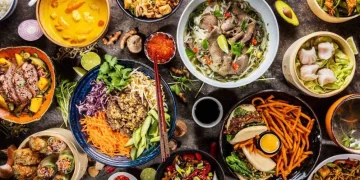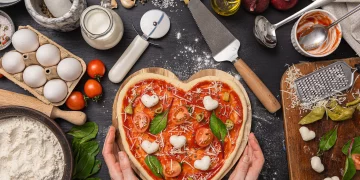










The culinary world is undergoing an exciting transformation. In recent years, the lines between traditional food cultures have become increasingly blurred, as chefs around the world experiment with combining diverse ingredients, techniques, and flavor profiles. Cross-cultural fusion cuisine is not just about mixing foods from different regions; it’s about creating entirely new culinary experiences that reflect the complex and interconnected world we live in.
In parallel, futuristic cuisine is emerging as a groundbreaking approach to food, driven by innovation, technology, and sustainability. As society grapples with challenges like climate change, population growth, and the increasing demand for food, the future of food will likely include everything from lab-grown meats to sustainable ingredients and even food designed to enhance health and performance.
This article explores the rise of cross-cultural fusion and futuristic cuisine, delving into the factors that are driving these movements and how they are shaping the future of food. We will examine how global connectivity, technological advancements, and a growing desire for sustainable eating are driving innovation in the culinary world.
The Evolution of Cross-Cultural Fusion Cuisine
Cross-cultural fusion cuisine refers to the blending of culinary traditions from different regions or cultures, resulting in novel and creative dishes that celebrate diversity and innovation. It is a reflection of the globalization of food, where chefs are no longer confined to the traditional cooking methods or ingredients of their native lands. Instead, they draw inspiration from a wide range of global food cultures, leading to innovative dishes that fuse flavors, techniques, and ingredients in unexpected and exciting ways.
1. The Birth of Fusion Cuisine
The concept of fusion cuisine is not entirely new. In fact, fusion cooking has its roots in the historical movements of trade, migration, and exploration. The exchange of ingredients and cooking techniques across continents, especially during the era of colonialism, led to the creation of dishes that combined elements from various culinary traditions.
However, it wasn’t until the late 20th century that fusion cuisine became a prominent trend in the culinary world. In cities like New York, Los Angeles, and London, chefs began experimenting with combining Asian, European, Latin American, and African flavors, creating new dishes that offered a fusion of flavors from different continents. Dishes like California rolls (Japanese-inspired sushi with avocado and crab) and Tex-Mex (a fusion of Texan and Mexican cuisines) are early examples of the fusion food phenomenon.
In contemporary gastronomy, fusion cuisine has evolved beyond just mixing ingredients from different regions. Today’s chefs seek to honor the authenticity of each culinary tradition while pushing the boundaries of what is possible, creating dishes that are both innovative and respectful of cultural heritage.
2. Key Elements of Cross-Cultural Fusion Cuisine
At the heart of cross-cultural fusion cuisine is the idea of combining diverse ingredients and techniques from multiple culinary traditions to create a new, harmonious whole. This fusion can occur in several ways:
- Ingredient Fusion: Combining traditional ingredients from different cultures to create new flavor profiles. For example, using miso (a fermented soybean paste from Japan) in a French vinaigrette or incorporating sriracha sauce (a spicy Thai condiment) in a traditional American burger.
- Technique Fusion: Blending cooking methods from different traditions. A chef might use sous-vide (a French technique) to cook an ingredient traditionally grilled in a different cuisine, such as Mexican tacos.
- Flavor Fusion: The combination of flavor profiles unique to different cultures. Spicy, sweet, salty, and sour are common flavor combinations in many global cuisines, and their fusion creates dishes that surprise and delight the palate.
The beauty of fusion cuisine lies in its creativity and its ability to represent the interconnectedness of the world. Ingredients that were once regionally specific are now global staples—such as avocado, quinoa, sriracha, and kimchi—and they are being used in new and exciting ways across various culinary traditions.
3. Popular Examples of Fusion Cuisine
Some of the most iconic dishes of today’s food culture are the result of fusion cuisine:
- Korean BBQ Tacos: A fusion of Korean and Mexican cuisine, these tacos use bulgogi (Korean marinated beef) as the filling, paired with traditional Mexican tortillas and garnished with kimchi, creating a perfect balance of spicy, savory, and tangy flavors.
- Sushi Burrito: A modern twist on traditional sushi, the sushi burrito combines the classic ingredients of sushi, such as tuna, avocado, and rice, and wraps them in a giant sheet of nori to form a handheld, oversized sushi roll.
- Indian Pizza: Combining the flavors of India with Italy’s beloved pizza, Indian pizza uses naan (a traditional Indian flatbread) as the base, topped with tandoori chicken, paneer, and spiced sauces like mango chutney.
These dishes illustrate how cross-cultural fusion cuisine not only creates delicious meals but also helps to break down cultural barriers by celebrating the shared human experience of eating.
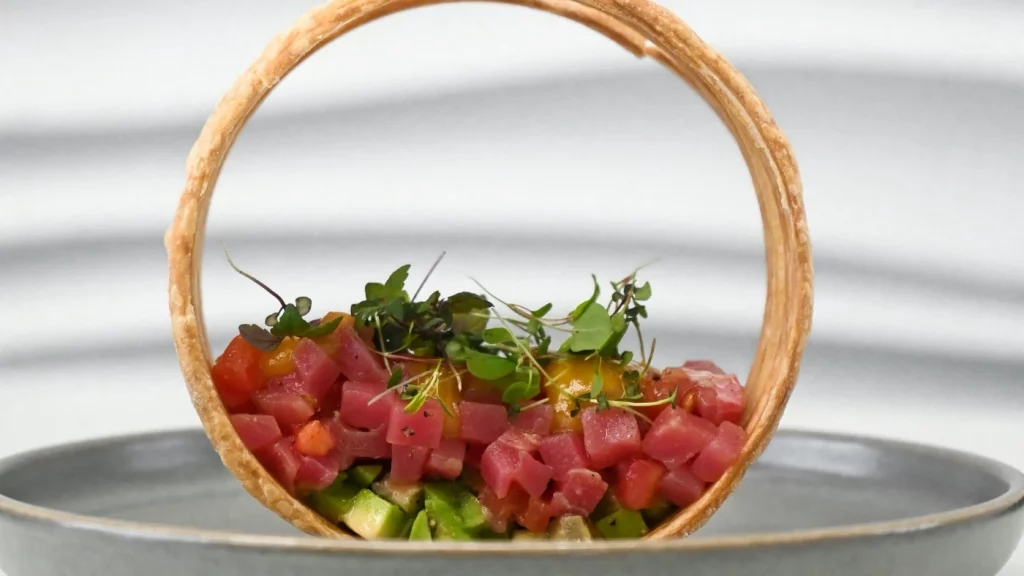
The Role of Technology and Sustainability in Futuristic Cuisine
While cross-cultural fusion cuisine celebrates the diversity of global food cultures, futuristic cuisine looks ahead, embracing cutting-edge technologies and innovations that promise to redefine the way we eat. Futuristic food is driven by several key factors, including technology, sustainability, and health.
1. Lab-Grown Meat: A Sustainable Alternative
One of the most talked-about innovations in the world of food is lab-grown meat or cultured meat. Traditional meat production is responsible for significant environmental damage, including deforestation, greenhouse gas emissions, and water waste. Lab-grown meat offers a solution to these issues by producing meat in a lab setting without the need to raise and slaughter animals.
Through a process known as cellular agriculture, scientists take animal cells and grow them into muscle tissue, producing meat without the environmental footprint of conventional livestock farming. While lab-grown meat is still in the early stages of development, it holds the potential to revolutionize the food industry by providing a more sustainable and ethical source of protein.
2. Plant-Based and Alternative Proteins
Another major development in futuristic cuisine is the rise of plant-based and alternative proteins. With an increasing global focus on sustainability, many chefs and food companies are turning to plant-based ingredients as viable alternatives to animal products. Beyond Meat, Impossible Foods, and other companies are developing plant-based versions of meat products that mimic the taste and texture of real meat, while also being more environmentally friendly.
In addition to plant-based meats, insects, algae, and fungi are also emerging as alternative sources of protein. These ingredients are not only sustainable but also highly nutritious, offering a range of essential amino acids, vitamins, and minerals.
3. 3D-Printed Food: The Future of Customization
3D food printing is another futuristic technology that is revolutionizing the culinary world. By using 3D printers to create intricate designs and structures, chefs can craft food in ways that were previously impossible. This technology allows for precise control over the shape, texture, and composition of food, enabling the creation of personalized meals that cater to individual tastes and dietary needs.
Beyond aesthetics, 3D printing can also be used to create sustainable food solutions. For example, 3D printers can be used to create meals from plant-based materials, such as seaweed or pea protein, reducing food waste and ensuring that every meal is optimized for nutrition and taste.
4. Personalized Nutrition and Smart Food
The future of food is not just about new ingredients or technologies—it is also about creating food that is tailored to the individual. Advances in nutrigenomics (the study of how food affects genes) and smart kitchen technologies are enabling the creation of personalized diets that cater to a person’s unique nutritional needs.
For example, smart refrigerators can track the foods you have, suggest recipes based on available ingredients, and even recommend meals based on your health goals or genetic predispositions. Apps and devices that monitor food intake, exercise, and overall health are becoming increasingly common, allowing consumers to make more informed decisions about their food choices.
The Future of Cross-Cultural Fusion and Futuristic Cuisine
The future of food lies at the intersection of innovation and tradition. Cross-cultural fusion cuisine will continue to evolve as chefs experiment with new combinations of flavors and techniques from around the world. Meanwhile, futuristic cuisine will push the boundaries of what we consider food, using technology and sustainability to create healthier, more ethical, and more environmentally friendly options.
As our world becomes more interconnected, the lines between different food cultures will continue to blur, and our understanding of what food can be will continue to evolve. From fusion tacos to lab-grown steaks, the future of food promises to be both diverse and innovative.
In the coming years, we can expect a greater emphasis on sustainability, health, and personalization, as food becomes not only a reflection of cultural diversity but also a solution to some of the world’s most pressing challenges. Whether it’s through a perfectly crafted dish from a cross-cultural fusion menu or a meal engineered for optimal health, the future of food is bright, bold, and full of possibilities.