










Introduction: The Allure of Motion in Photography
Photography is often regarded as a medium that freezes a moment in time. It captures stillness, preserving what would otherwise be fleeting. However, one of the most powerful ways to evoke emotion and capture attention is through the dynamic sensation of motion. When done correctly, motion in photography doesn’t just freeze a moment—it breathes life into it, making the viewer feel as though they are part of the scene, living it out.
Dynamic photography harnesses motion to create energy, fluidity, and an immersive experience that draws the viewer in. By capturing action, the photo transcends from a simple representation of a subject into a vivid, sensory-rich experience that invites the viewer to see, feel, and even hear the scene. Whether it’s the motion of a dancer mid-performance, the flow of water cascading down a waterfall, or a car speeding past, the element of motion allows photography to become experiential.
This article explores how dynamic motion in photography can create an immersive experience for the viewer, bringing photographs to life through the art of movement. We will delve into the techniques used to capture motion, how it affects our perception of images, and how photographers use it to tell stories that engage the senses, stir emotions, and connect with the viewer on a deeper level.
1. The Psychology of Motion: Why It Matters
1.1 The Power of Movement in Visual Perception
Humans are wired to notice motion. From an evolutionary standpoint, our brains are finely tuned to recognize movement in our environment as a potential threat or opportunity. Whether it’s the movement of a predator or prey, or the motion of someone approaching, our brain is trained to react to motion. This natural inclination makes dynamic elements in photography highly effective in capturing attention and creating a sense of urgency, excitement, or curiosity.
When we see something moving—whether it’s a person running, a car speeding, or liquid splashing—we instinctively engage with the image. Our brain starts to process the energy and rhythm behind the motion, which creates a connection that goes beyond mere observation. This is why dynamic shots in photography can feel so immersive; they tap into our innate sensory triggers.
1.2 Evoking Emotion Through Movement
Motion in photography is not just about making an image visually interesting—it’s about triggering an emotional response. For example, the rapid movement of a dancer’s hands can convey grace and fluidity, while the sudden motion of a car speeding down a highway may invoke feelings of excitement or adventure. Cinemagraphs, a form of photography that incorporates subtle motion, often evoke a feeling of stillness interrupted by a single element of movement, which can provoke a sense of longing or nostalgia.
Furthermore, motion can symbolize transition, growth, or change—themes that resonate deeply with the human experience. By capturing these moments in time, photographers not only document physical movement but also convey deeper emotional and symbolic meaning.
2. Techniques for Capturing Motion in Photography
2.1 Freeze the Action: High-Speed Photography
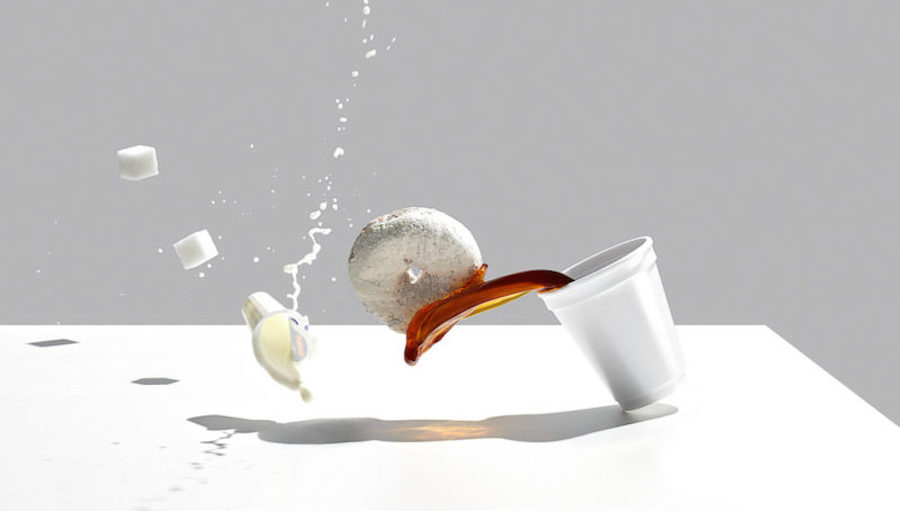
One of the most commonly used techniques to capture motion is high-speed photography. This method involves using a fast shutter speed (typically between 1/500 to 1/1000 of a second) to freeze fast-moving subjects, such as water droplets, splashes, or the quick motion of animals. The goal is to freeze the motion at its most dramatic or intriguing moment, allowing the viewer to examine details that would otherwise be missed in real time.
For example, in food photography, a photographer might use high-speed techniques to capture the splash of milk as it hits a bowl of cereal. The resulting image not only freezes the motion but also emphasizes the texture and detail of the milk’s splashing movement.
To achieve high-speed shots, photographers often use strobe lights or flash units in tandem with the camera’s fast shutter speed. These lights illuminate the scene instantaneously, helping to freeze even the quickest movements, such as the pop of bubbles, droplets in the air, or the split-second moment of a splash.
2.2 Conveying Movement: Slow Shutter Speed and Motion Blur
On the other hand, slow shutter speeds (often 1/30 or slower) allow photographers to create motion blur, which can give a sense of fluidity and direction to a scene. By intentionally blurring parts of an image, photographers can convey the sense that the subject is moving through space.
For example, a photographer may capture the motion of a dancer’s movement by using a slower shutter speed. The blur of the dancer’s flowing dress or arms creates the illusion of speed and grace, making the viewer feel as though they are watching the dance unfold in real time.
In landscape photography, slow shutter speeds can be used to capture the movement of water, creating a silky, ethereal look for rivers, waterfalls, or waves. This effect conveys the continuous flow of water, transforming a static scene into a living landscape.
2.3 Panning for Dynamic Shots
Another technique used to convey motion is panning. Panning involves following a moving subject with the camera while using a slow shutter speed. The goal is to keep the subject relatively sharp while blurring the background, creating a dynamic sense of speed and motion.
For instance, panning is commonly used in sports photography, where photographers track athletes as they move quickly across the field. The resulting image shows a clear, focused subject (the athlete) with a blurred background, indicating motion while keeping the subject’s form intact. This effect enhances the feeling of speed, power, or intensity associated with the action.
3. How Motion Enhances Immersive Experience
3.1 Engaging the Senses: Visual, Auditory, and Emotional Connection
The use of motion in photography isn’t just about what is seen—it’s about what is felt. When motion is captured effectively, it can create a sensory-rich experience for the viewer. For example, capturing a splashing drink or a jumping wave may make the viewer almost hear the sound of water splashing, or feel the rush of air associated with movement.
Photographers often use motion to invite viewers into the scene, turning them from passive observers to active participants in the image. The blur created by movement might suggest the swish of a dance or the rustle of fabric, pulling the viewer into the action of the shot. This process of sensory engagement creates a powerful bond between the viewer and the subject, making the image not just something to look at but something to feel.
3.2 Creating Depth and Perspective
In addition to creating emotion, motion can also add depth and perspective to an image. This can be achieved by using motion to guide the viewer’s eye through the composition. For instance, in a photo of a car speeding down a road, the lines of motion can direct the viewer’s gaze toward a specific point in the image. The blurred background, often created through panning or a slow shutter speed, emphasizes the speed and direction of the vehicle while giving the image a three-dimensional feel.
In landscapes, motion blur from moving elements like clouds or water can help build layers in the composition. The moving elements add dynamism to the scene, making the viewer feel as though they are stepping into a living, breathing environment.
4. The Impact of Dynamic Photography on Storytelling
4.1 Storytelling Through Action
Dynamic motion is a powerful storytelling tool in photography. It adds a narrative element to the image, allowing photographers to convey moments of change, growth, tension, or celebration. By capturing a moment in motion, the photographer can suggest the before and after—the process of action rather than just the result.
Consider the image of a chef tossing ingredients into a pan. The motion suggests that something is in the process of being made—a story is unfolding. The same is true for athletic photography, where motion can suggest the struggle, achievement, and intensity behind the actions of the subject.
Motion in photography allows us to capture the narrative of life, from the quiet, subtle gestures to the explosive moments of climax. It invites the viewer to be more than a passive observer; it immerses them in the moment, telling a story that transcends the visual into a visceral experience.
4.2 The Future of Motion in Photography
With the rise of technologies like video, GIFs, and cinemagraphs, motion is becoming an increasingly important part of visual storytelling. These formats, while technically different from still photography, use motion to create immersive experiences that go beyond what can be captured in a single frame.
The future of motion in photography is limitless. As photographers continue to experiment with motion, time-lapse, and stop-motion techniques, they will continue to push the boundaries of what’s possible, offering new ways for viewers to connect with their images.
Conclusion: The Immersive Power of Motion in Photography
Motion in photography brings an added layer of complexity and intrigue to an image. It engages the viewer’s senses, drawing them into the action of the scene, and creates an immersive experience that is far more than just a visual representation. By using techniques like high-speed shots, motion blur, and panning, photographers can transform a static photograph into a dynamic, sensory story that resonates emotionally with the audience.
Ultimately, motion gives life to photographs, turning them from simple still images into living experiences that invite the viewer to engage, feel, and even become part of the moment.