









Introduction: The Power of Motion in Food Photography
When we think about food photography, we often picture perfectly composed images—immaculate shots of dishes that highlight texture, color, and presentation. But there is another powerful technique that can transform food photography from static to dynamic: incorporating motion and action into food imagery. Dynamic food photography goes beyond simple food still lifes; it introduces a sense of energy, movement, and life that can captivate the viewer’s attention and evoke deeper emotional responses.
The magic of motion in food photography lies in its ability to simulate the moment of experience—the anticipation, the action, the movement just before eating. Whether it’s the splash of milk over cereal, the pour of syrup onto pancakes, or the jump of ingredients into a mixing bowl, action shots engage the viewer in a way that static photos cannot.
This article explores how motion and dynamic elements are employed in food photography to enhance the visual impact of the image. We will look at different types of action shots, the techniques used to capture them, and how these shots contribute to telling a sensory story that appeals not only to the eyes but to our sense of taste, sound, and even touch.
1. The Role of Motion in Food Photography
1.1 Why Motion Matters in Food Photography
Food photography is not just about showcasing the finished product; it’s about capturing the experience of the food. A static image might make us admire the aesthetics of a dish, but motion conveys the action of eating. Motion can create a narrative that draws viewers in, evoking a sense of real-time interaction with the food.
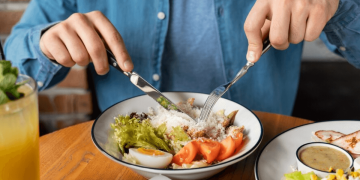
Take, for example, the moment when a fork is plunged into a slice of cake, or when syrup is poured over fluffy pancakes. These action moments can transport the viewer into the scene, making them almost feel like they are part of the experience.
In dynamic food photography, motion is not just an aesthetic tool—it’s a way to communicate something more visceral: joy, anticipation, comfort, or even excitement. It helps connect the viewer to the food by replicating a real, dynamic experience.
1.2 Types of Motion in Food Photography
The incorporation of motion can take several forms in food photography. Some of the most common types of dynamic photography include:
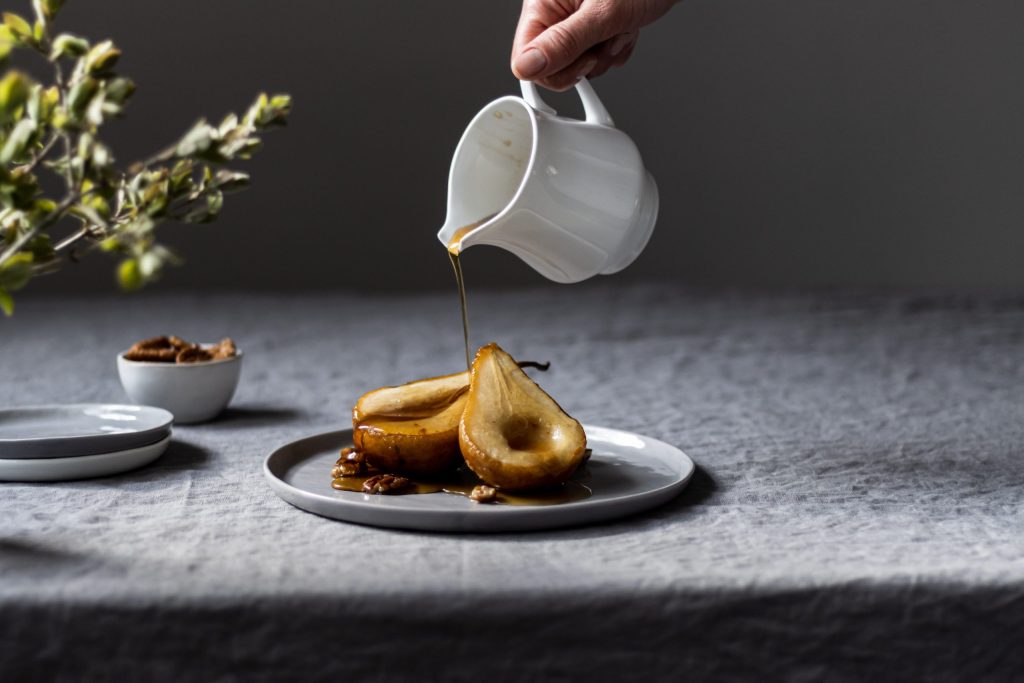
- Liquid movement: Pours of liquid such as milk, honey, coffee, or sauce, splashing onto a dish or cascading over an ingredient.
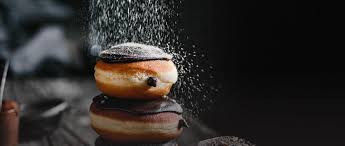
- Flying ingredients: Shots of ingredients (flour, sugar, salt, etc.) caught mid-air as they’re added to a dish or tossed in a bowl.
- Stirring and mixing: Shots where a spoon or whisk is in motion, creating swirling patterns in the dish or mixing the ingredients together.
- Breaking and cracking: The moment a food item cracks open, breaks apart, or is cut, revealing the texture inside—such as cracking a crispy shell or breaking a chocolate bar.
- Action on the plate: Pouring, drizzling, or garnishing food directly on the plate, creating texture and visual excitement.
2. Techniques for Capturing Motion in Food Photography
2.1 Freeze the Moment: High-Speed Photography
One of the most exciting aspects of food photography is the ability to freeze time. High-speed photography is a technique that allows photographers to capture extremely fast motion without blur. This is especially useful in food photography when trying to capture splashes, pouring liquids, or flying ingredients at their peak moment.
To achieve this, photographers often use a fast shutter speed (typically around 1/1000 or higher) to freeze the action. A flash or strobe light is also often used to freeze the motion in its tracks. This allows photographers to capture details like the splash of a drink hitting the surface, or the perfect drip of honey falling onto pancakes.
The key to success with high-speed food photography is timing. In many cases, photographers will need to anticipate the action and trigger the shot at the precise moment when the motion is at its peak. Multiple shots are often taken to ensure that the desired moment is captured.
2.2 Creating Motion with Long Exposure
While fast shutter speeds freeze the action, long exposure photography can be used to convey a sense of motion, especially in food photography. This technique uses slower shutter speeds to capture the motion blur of ingredients, liquids, or utensils in action. Long exposure can give a sense of fluidity and movement in dishes, which can be especially powerful when photographing poured liquids or swirling sauces.
For example, if a photographer is photographing a whisk stirring a bowl of batter, they might use a long exposure to show the motion of the whisk. This adds a sense of fluidity and energy to the image, helping the viewer almost feel the vibration of the whisk in motion.
The use of long exposure also allows the photographer to create an artistic effect where the motion of the subject blurs into a dreamy or ethereal trail of color and texture.
2.3 Light and Shadows to Enhance Motion
Lighting plays a crucial role in capturing motion in food photography. The way light interacts with fast-moving food elements—like splashes, drips, or airborne ingredients—can dramatically enhance the sense of dynamism in an image.
Side lighting or backlighting can help highlight the motion and add contrast to the image, especially when photographing liquids or light particles such as flour or sugar in mid-air. Directional lighting can be used to highlight the path of the liquid, creating a stunning glow or shine as it falls or splashes.
Using shadow play can also give the food an added sense of movement. The shadows can mimic the flow of the ingredients or highlight areas of the food that are in motion, making the photograph feel alive.
3. The Impact of Dynamic Photography on Food Perception
3.1 Engaging the Viewer’s Senses
Dynamic food photography does more than capture a moment in time; it creates a full sensory experience for the viewer. Through the use of motion, food photography becomes a story that unfolds before the viewer’s eyes. These dynamic shots engage not only the visual sense but also hint at sound, taste, and touch.
For instance, a close-up of milk splashing over a bowl of cereal creates a sound association of crunching cereal and the smoothness of the milk. Similarly, the dynamic shot of syrup pouring over pancakes might evoke the taste of sweetness or the texture of the soft cake.
Motion in food photography helps the audience to relate to the food more intimately. It triggers memories of eating, of cooking, or of being involved in the food’s creation and consumption. This is why dynamic food photography is such a powerful tool in advertising, editorial, and social media.
3.2 Adding Emotional Appeal to the Visual Story
Dynamic food photography also brings an emotional quality to the image. Action shots can symbolize the joy of eating, the comfort of family meals, or the celebration of a special occasion. Whether it’s the pour of chocolate sauce over a sundae or the cutting of a birthday cake, these moments convey more than just food—they convey a sense of connection, tradition, and celebration.
The motion in these images triggers an emotional response by making the viewer feel as though they are part of the scene, experiencing the action firsthand.
4. Conclusion: The Art of Motion in Food Photography
Incorporating motion and dynamic elements in food photography offers photographers the opportunity to capture food in a way that is visually stimulating and emotionally resonant. Whether it’s through freeze-frame action, liquid splashes, or motion blur, dynamic food photography captures the movement of food, transforming it from a static object into an active participant in a sensory experience.
By harnessing the power of motion, food photographers create images that are not only visually impactful but also immersive—inviting the viewer to engage with the food in ways that static photographs simply cannot. Motion brings food to life, turning simple dishes into captivating stories that speak to our senses, emotions, and experiences.