






Introduction: The Power of Close-Up Food Photography
In the world of food photography, close-up shots and macro photography are two techniques that allow photographers to capture the intricate details of food in ways that often go unnoticed by the naked eye. Through the use of high magnification, these techniques reveal textures, colors, and surfaces in their purest forms, drawing attention to the sensory appeal of food that can’t always be experienced just by looking at the plate.
A food photographer’s ability to emphasize texture—whether it’s the crispiness of a golden pastry crust, the juicy drip of a ripe fruit, or the softness of freshly whipped cream—can completely change the viewer’s perception of a dish. Close-up photography captures food in its most intimate and raw form, allowing the audience to experience it on a deeper level. These detailed shots often evoke emotions tied to sight, touch, and even taste.
In this article, we will delve into the world of macro food photography, exploring the techniques used to capture texture and detail, the importance of these elements in food styling, and how these images elevate the entire food photography experience.
1. The Art of Capturing Texture through Macro Photography
1.1 What Is Macro Photography?
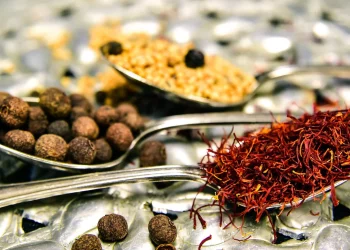
Macro photography is the technique of photographing small subjects at a high magnification, often to the point where the object appears larger than life. In food photography, this means capturing the smallest details of a dish—textures, grains, layers, and surface imperfections—that might otherwise go unnoticed. Close-up shots give viewers an almost tactile experience, allowing them to imagine the sensation of biting into, touching, or smelling the food.
Food textures are some of the most compelling aspects of photography. The natural contrast of a crispy surface against a soft interior, the gentle drip of syrup off a pancake, or the sparkling gloss on a fruit’s skin can all be captured using macro techniques to create images that engage the viewer’s sense of taste and touch.
1.2 Why Texture Matters in Food Photography
Textures are one of the most powerful sensory elements in food. They can make a meal seem more appealing, tasty, or even comforting. A food photographer’s ability to emphasize texture not only captures the visual aspect of food but also creates an emotional connection. When viewers see a food item up close, they can almost feel its texture in their minds.
For example, a close-up of chocolate ganache, glistening on the edge of a cake, immediately conjures up thoughts of its richness and creaminess. The coarse crunch of toasted seeds, the flaky layers of a croissant, or the glossy finish on a fresh fruit salad are all textures that evoke an immediate sensory response. These details are key to making the food feel real, tangible, and desirable.
2. Essential Techniques for Capturing Texture
2.1 Choosing the Right Lens for Macro Shots
One of the most important aspects of close-up food photography is the lens. A macro lens is specifically designed to allow photographers to get very close to their subject while maintaining sharpness and clarity. Macro lenses typically have a high magnification ratio, which means they can focus on tiny subjects (like grains of salt or the pores of a cake’s crumb) with exceptional detail.
In food photography, a 50mm macro lens or a 100mm macro lens are popular choices. These lenses allow photographers to get extremely close to the subject without distortion, capturing textures with precision.
2.2 Focus and Depth of Field
In macro food photography, depth of field (DOF) is crucial. A shallow depth of field allows photographers to isolate textures and highlight details within the subject. By blurring the background, the focus is drawn entirely to the texture of the food in the foreground. This technique ensures that the viewer’s attention is directed to specific areas of interest, such as the glossy icing on a dessert or the crisp crust on a loaf of bread.
On the other hand, a deep depth of field may be used if the photographer wants to show the texture of the entire dish, ensuring all the layers and details are visible. The aperture plays a key role in this—an aperture setting like f/2.8 or f/4 creates that beautiful, blurred background effect that makes the textures stand out.
2.3 Lighting for Texture Emphasis
Lighting is arguably the most important element in food photography. The way light interacts with food textures can completely alter the viewer’s perception of the dish. In close-up food photography, lighting should highlight the shapes, contours, and surfaces of the food to showcase texture.
Side lighting or backlighting can bring out the details of the texture. For example, side lighting can cast shadows across the food’s surface, emphasizing bumps, ridges, and uneven textures like the rough surface of a tart crust or the crinkled edges of a crispy fried snack.
Similarly, backlighting can create a glow around translucent textures, like the delicate layers of a jelly or the delicate folds of a fruit peel. The play between light and shadow is what makes textures appear vivid and three-dimensional.

3. Styling Food for Close-Up Photography
3.1 The Importance of Food Styling
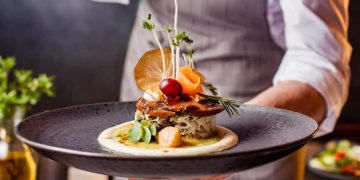
In close-up food photography, the presentation of the food is just as important as the photography techniques used. Food styling involves arranging food on the plate to enhance its visual appeal and make it more photogenic. The goal is to make sure that the textures and surfaces of the food are visible and aesthetically pleasing.
For example, when photographing a slice of cake, a stylist might carefully arrange the crumbs, drizzle a bit of icing, and even add a sprinkle of powdered sugar to draw attention to the light, airy texture of the cake. Similarly, when photographing seafood, a stylist may highlight the shiny, smooth surface of a fish fillet or accentuate the delicate curl of a prawn’s tail.
Styling for texture also involves choosing the right props. A simple spoon or a delicate fork can emphasize the smoothness of a dessert, while a rustic plate may help highlight the crustiness of a bread loaf.
3.2 Emphasizing Imperfections
Interestingly, in the world of food styling, imperfections often play a key role in highlighting texture. Slight cracks in bread, the bubbles on a croissant, or the uneven edges of a pie crust can all add to the appeal of the dish by emphasizing its authenticity and realness. Food that appears too perfect can sometimes feel too “staged,” which is why many food photographers and stylists will embrace the natural imperfections in food to show the texture and personality of the dish.
4. Macro Food Photography and Sensory Engagement
4.1 The Tactile Connection Between Viewers and Food
Food photography has the unique ability to engage the senses beyond just sight. By capturing textures up close, a photographer can create a tactile experience for the viewer. Macro shots can make the food appear so real that viewers feel they could almost touch it.
This is where the magic of food photography lies—through these close-up images, food becomes more than just a subject to look at. It becomes something to experience.
5. Conclusion: The Sensory Power of Close-Up Food Photography
Close-up and macro photography are the keys to unlocking the hidden beauty of food textures. Through careful attention to lighting, composition, and styling, photographers can bring out the richness, texture, and sensory appeal of a dish in ways that capture the viewer’s imagination and senses.
The ability to photograph food with such detail not only enhances the visual experience but also creates an emotional and sensory connection. As food photography continues to grow as both an art form and a marketing tool, close-up shots will remain at the forefront of how we experience food visually—turning textures into an engaging story that speaks to our senses and emotions.