








Introduction: The Tradition of Shared Meals
For centuries, food has not only been a source of sustenance but also a means of connection. In countless cultures, cooking together and sharing meals is a central part of community life, especially during festivals and celebrations. The tradition of collective cooking—preparing meals in groups or with extended families—is deeply embedded in human culture, strengthening bonds, honoring rituals, and fostering a sense of belonging.
In today’s world, where fast-paced lives and individualism often dominate, there is a growing movement to reclaim the sense of community that comes from shared cooking and eating. This practice is not only a way to celebrate significant moments but also a form of cultural expression, linking people to their heritage, traditions, and shared values. Whether it’s a family dinner, a cultural festival, or a holiday feast, collective cooking and communal meals remain a universal experience.
This article explores the multifaceted role of collective cooking in festive gatherings, from its cultural significance to its social impact. We will examine the historical roots of shared meals, how cooking together brings people closer, the role of food in major celebrations, and how these traditions are evolving in modern times.
1. The Cultural Significance of Collective Cooking
1.1. Cultural Roots of Shared Meals
The practice of collective cooking is found across every continent, from family-style meals in Italy to potluck gatherings in the United States and street food feasts in India. These practices are often rooted in deep cultural traditions that go beyond just food. The act of cooking together is symbolic of cooperation, respect, and unity.
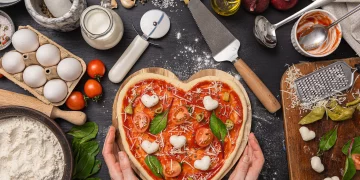
- In Italy, large family gatherings and Sunday meals are often centered around home-cooked pasta and slow-cooked meats, where family members, from the oldest to the youngest, gather in the kitchen to prepare the food together. These meals represent more than just the act of eating; they are about connecting across generations and ensuring that traditions are passed down.
- In India, especially during festivals like Diwali or Onam, families and communities come together to prepare elaborate meals. These meals are a reflection of the culture’s spirituality and rituals, as well as a celebration of the harvest or the victory of good over evil. Shared cooking practices are central to the social fabric, and the act of cooking together is often seen as an offering to the gods.
- In Mexico, communal cooking is an essential part of many festive gatherings. Dishes like tamales, pozole, and mole are often prepared by groups of women or family members who gather in the kitchen or around a comal (flat grill). These foods represent a deep connection to Mexico’s indigenous roots and Spanish influences.
1.2. Symbolism of Food in Celebrations
Food is a central symbol in many celebrations, and the act of preparing and sharing it collectively imbues it with added significance. Meals cooked in groups or for special occasions are often linked to sacred rituals or seasonal changes.
- Thanksgiving in the United States is a perfect example of how cooking together for a holiday becomes a means of fostering gratitude, unity, and familial bonds. The turkey, stuffing, cranberry sauce, and pumpkin pie are not just food items; they are symbols of harvest, thankfulness, and homecoming.
- Christmas dinners around the world are similarly symbolic. In many cultures, the meal is seen as a representation of hospitality and goodwill. The roast dinners in the UK, feasts in the Philippines, and family gatherings in Germany all serve the dual purpose of honoring family and celebrating the spirit of generosity.
2. The Social Benefits of Collective Cooking
2.1. Strengthening Social Bonds
Cooking together has a profound impact on social relationships. Whether with family, friends, or community members, the act of preparing food collectively is an opportunity to strengthen relationships, share stories, and create memories. Unlike the isolation of cooking alone, collective cooking encourages collaboration, communication, and teamwork.
- Family dinners have long been known to promote stronger familial bonds. Studies show that families who cook and eat together regularly tend to have better relationships, as the shared experience encourages conversation, emotional support, and shared responsibility.
- In friendship circles, collective cooking allows friends to bond over their love for food, cooking techniques, and the joy of eating together. Preparing a meal from start to finish can be a fun, creative, and collaborative experience that leads to a deeper understanding and appreciation for each other.
2.2. Fostering Inclusivity and Community
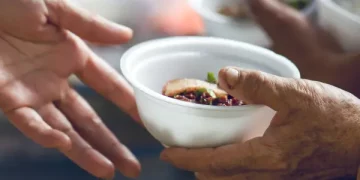
The power of collective cooking extends beyond the home. In many cultures, community cooking events are held to foster a sense of belonging and shared identity. These events often bring together people of different backgrounds, ages, and socioeconomic statuses, allowing for diverse experiences to be shared over food.
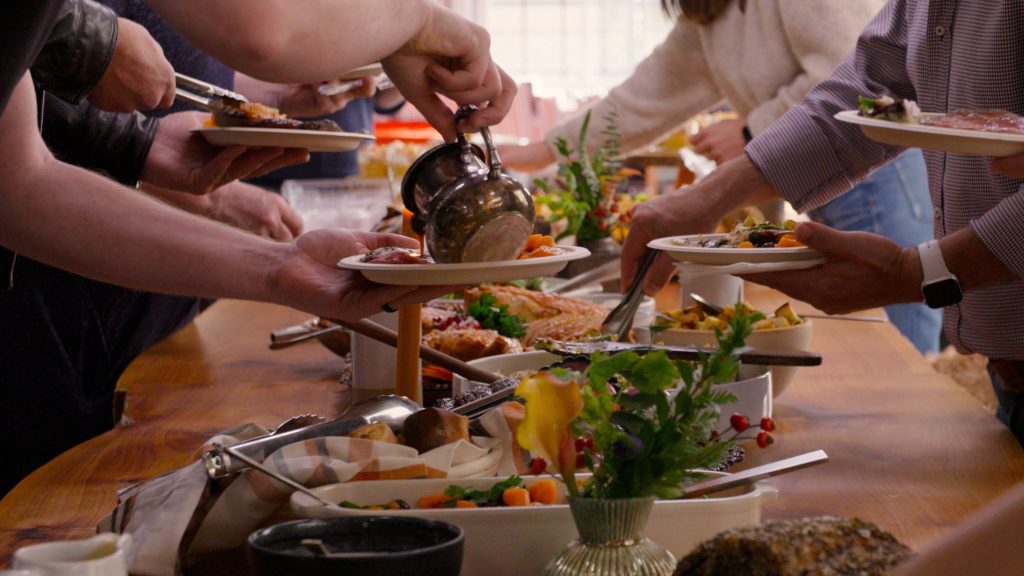
- Potluck dinners are a perfect example of community cooking, where each participant contributes a dish, creating a feast of diverse flavors and culinary traditions. These gatherings are opportunities to celebrate diversity, share personal heritage, and promote social inclusion.
- Street food festivals are another example of how collective cooking brings people together. These events, which often take place in public spaces, feature multiple vendors and communal dining areas, encouraging people from all walks of life to enjoy food together. These events also provide an opportunity for food entrepreneurs to showcase their culinary traditions and innovations.
3. The Role of Collective Cooking in Celebrations and Holidays
3.1. Cooking as Part of Religious Rituals
In many cultures, cooking together is an integral part of religious festivals and rituals. Food plays a symbolic role in offering gratitude, celebrating spiritual milestones, and honoring deities.
- In Hinduism, the preparation of food for festivals like Diwali and Holi is a deeply spiritual practice. The family unit often comes together to cook special sweets like laddus and barfis, which are offered to gods and then shared among loved ones. The cooking process itself is seen as an offering, a way of expressing devotion.
- In Judaism, the Passover Seder meal is a time for family and friends to gather around the table to celebrate the Jewish exodus from Egypt. The meal, which includes symbolic foods like matzah and bitter herbs, is an important act of remembrance and ritual sharing.
3.2. Cultural Festivals and Community Celebrations
In addition to religious events, there are numerous cultural festivals around the world that revolve around food and communal cooking. These events celebrate the harvest, seasonal changes, or historical milestones and bring together large groups of people for collective feasting.
- Oktoberfest in Germany is a celebration of beer, food, and Bavarian traditions, where large communal tables are set up for people to eat traditional dishes like pretzels, sausages, and roast chicken. The event fosters a sense of community, bringing together locals and visitors to share in the joy of food and drink.
- In China, the Spring Festival (Chinese New Year) is a time for families to reunite and prepare dumplings, fish, and other symbolic dishes that represent good fortune and prosperity. The act of cooking together is a way of honoring ancestors and wishing for a prosperous year ahead.
4. Modern Trends in Collective Cooking and Festive Gatherings
4.1. Digital Innovation in Food Sharing
With the rise of technology and social media, the idea of collective cooking and sharing meals has evolved. People now use apps and online platforms to coordinate meal prep, exchange recipes, and even stream cooking events. This has created a new dimension to the way we engage with food in community settings.
- Virtual cooking classes have become increasingly popular, especially during the COVID-19 pandemic, as people seek ways to connect and cook together despite geographical distances. These online experiences allow individuals to learn new recipes and share in the joy of cooking, even when they’re not physically together.
4.2. Sustainability and Local Ingredients
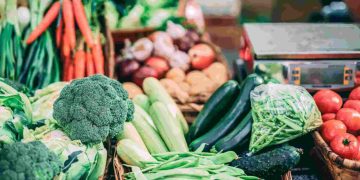
As the world becomes more conscious of environmental issues, many modern gatherings emphasize sustainability and the use of local ingredients in collective cooking. Cooking with seasonal produce, reducing food waste, and choosing plant-based options have become central themes in many contemporary festive gatherings.
- Farm-to-table dinners, where guests prepare meals using locally sourced ingredients, not only promote sustainability but also highlight the importance of supporting local farmers and reducing food miles.
Conclusion: Shared Meals, Shared Memories
Collective cooking and festive gatherings are more than just opportunities to eat together. They are a celebration of culture, a reflection of tradition, and a testament to human connection. Whether through family feasts, community potlucks, or cultural festivals, the act of preparing food together continues to be a powerful means of bringing people closer, honoring heritage, and creating lasting memories.
In an increasingly individualistic world, the tradition of communal cooking serves as a reminder of the profound impact that food has on our relationships, our communities, and our identities. As we continue to navigate modern challenges, we must remember the importance of cooking and eating together, not only for the nourishment of our bodies but for the enrichment of our lives.