








Introduction: Cooking as a Communal Activity
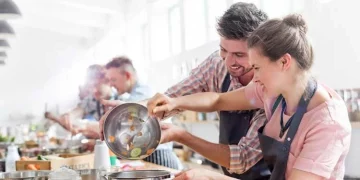
Food has always been a central part of human culture. From ancient civilizations to modern societies, the act of preparing and sharing food has served as a vital way for people to bond, communicate, and pass on traditions. In many cultures, collective cooking—where groups of people come together to prepare meals—remains an essential part of community life. These culinary gatherings are not just about creating a meal; they are about nurturing relationships, strengthening bonds, and continuing a legacy of cultural practices passed down through generations.
This article explores the multifaceted role of collective cooking as a way to connect community members and preserve cultural traditions. We will delve into how cooking together fosters solidarity, encourages cultural exchange, and preserves food heritage. Through the lens of communal cooking, we will also examine the social, psychological, and emotional benefits of this practice and how it continues to thrive in an increasingly globalized world.
1. The Origins of Collective Cooking
1.1. Historical and Cultural Roots
Collective cooking has deep historical and cultural roots in many parts of the world. In ancient times, the preparation of food was often a communal activity, where large groups of people worked together to ensure that meals were prepared for family, community, or even entire villages. These shared meals were not only a practical solution to feeding large populations, but also a way to create unity and celebrate togetherness.
In Mediterranean cultures, for instance, cooking and eating together have been key components of communal life. From the making of paella in Spain to the preparation of couscous in North Africa, communal cooking has been a way to bring people together, both physically and emotionally. In these cultures, cooking is often an all-day affair, where family members, neighbors, and friends collaborate to prepare complex dishes that are meant to be shared and savored.
Similarly, in Asian cultures, the tradition of communal eating and cooking has a long-standing history. Chinese hot pots, Japanese izakayas, and Indian thalis all embody the concept of sharing food, where dishes are prepared in large quantities, and the act of serving and sharing is as important as the food itself. These traditions are not just about the food; they are about building relationships, whether within families or across different social groups.
1.2. The Social Function of Collective Cooking
The importance of collective cooking is not limited to its historical significance. Today, it continues to serve as a way to build social cohesion and strengthen community ties. Whether in family kitchens, neighborhood events, or cultural festivals, cooking together serves as a method for bringing people closer, regardless of age, background, or social status.
In many rural and tribal communities, the cooking process remains a collective effort. From the preparation of harvest festivals to the cooking of ritualistic meals, communal cooking becomes a key element in the preservation of cultural identity. These practices help ensure that traditional recipes and cooking methods are passed down to future generations, keeping cultural knowledge alive.
2. The Role of Collective Cooking in Strengthening Community Bonds
2.1. Shared Meals as a Means of Social Connection
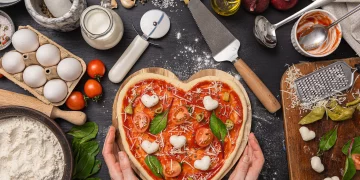
The act of cooking and eating together goes beyond simply satisfying hunger—it provides a social framework for connection and conversation. When people cook together, they not only share the physical act of food preparation but also create emotional bonds. In family kitchens, the preparation of meals becomes a space for communication, where members exchange stories, ideas, and plans. It’s during these moments that shared memories are created, and family traditions are reinforced.
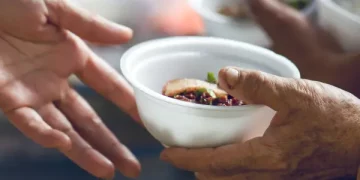
In neighborhoods, especially in communities where people may not know each other well, communal cooking can be a powerful tool for integration and social solidarity. Events like community barbecues, potlucks, and soup kitchens allow individuals to come together, share their culinary heritage, and forge new relationships. These gatherings break down social barriers, whether between strangers, immigrants, or neighbors, and foster a sense of unity.
Moreover, cooking together can play a therapeutic role in helping communities recover from social stress or conflict. In regions that have experienced war, displacement, or political instability, food has the power to heal. In such contexts, collective cooking becomes a tool for reconciliation, as people come together to prepare meals in a spirit of peace and solidarity.
2.2. Fostering Intergenerational Connections
One of the most significant aspects of collective cooking is its ability to foster intergenerational connections. In many cultures, cooking together is a ritual passed down through the generations. Grandparents teach grandchildren how to make family recipes, parents show their children how to prepare traditional dishes, and younger generations help preserve older techniques.
This intergenerational exchange not only ensures that traditional recipes are preserved but also promotes a sense of continuity between the past and the present. The kitchen becomes a space of learning, where older generations impart wisdom and knowledge about food, culture, and life. At the same time, younger generations bring fresh ideas and modern techniques to the table, creating a dynamic dialogue between old and new.
3. Collective Cooking and Cultural Preservation
3.1. Food as Cultural Heritage
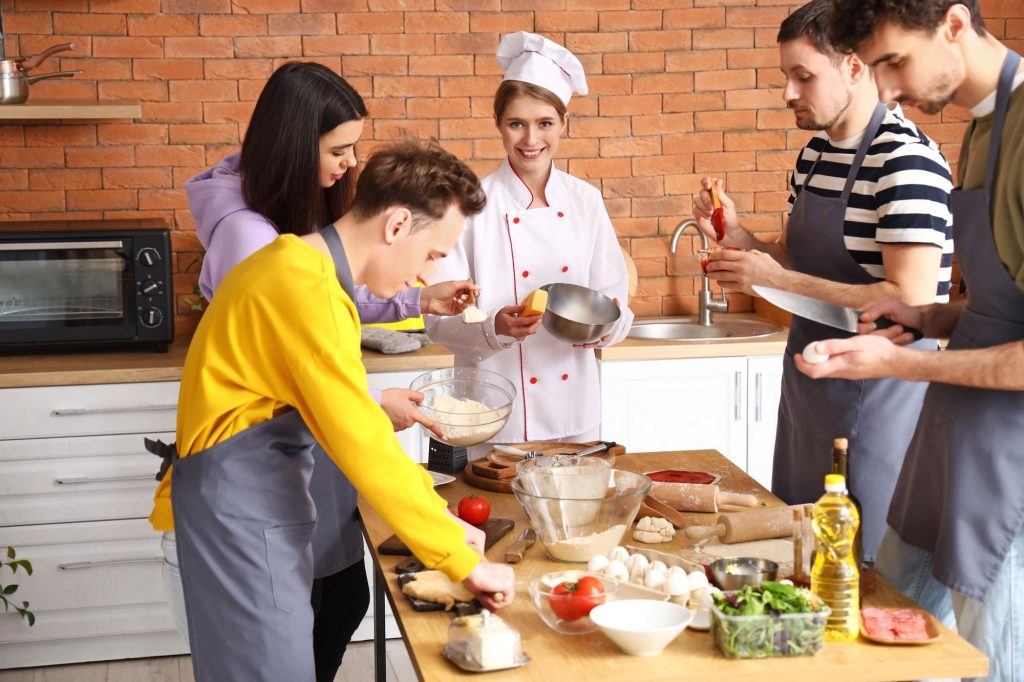
In the context of cultural preservation, collective cooking plays an essential role in safeguarding food traditions. As societies become increasingly urbanized and globalized, traditional foodways are at risk of being forgotten. However, communal cooking events and food festivals often provide a venue for these culinary practices to be passed on and revitalized.
In Sicily, for example, community feasts centered around traditional dishes like arancini and caponata help to preserve the island’s centuries-old food culture. These events not only celebrate the flavors of the region but also create a space for the exchange of stories about the historical significance of these foods.
In Latin America, festivals that revolve around the preparation of dishes like tamales, empanadas, and tacos also serve as a form of cultural resistance. These festivals and communal cooking events help to preserve culinary heritage in the face of modern challenges, such as the commercialization of food or the adoption of fast food culture.
3.2. Reviving Ancient Culinary Practices
In addition to preserving contemporary food traditions, collective cooking also revives ancient culinary practices that might otherwise be lost. In India, for instance, the practice of cooking together during weddings or festivals often includes the preparation of time-honored dishes such as biryani, halwa, and puran poli, which require intricate and specialized methods. These practices are not only about preparing food but about honoring the generations of cooks who passed down the recipes.
Similarly, in Africa, community cooking plays a central role in reviving indigenous food systems. In Ethiopia, for example, the making of injera (a traditional flatbread) during community gatherings is an act of cultural preservation, as it ties modern generations to their ancestral food practices and the agricultural techniques that support them.
4. The Psychological and Emotional Benefits of Cooking Together
4.1. Mental Health and Well-Being
The act of cooking together has significant psychological benefits, both for the individual and the group. Preparing food can be a highly therapeutic activity, providing a sense of accomplishment, creativity, and mindfulness. For many, cooking offers a break from the stresses of everyday life and the opportunity to focus on something tangible and rewarding.
In a group setting, cooking together can foster emotional well-being by promoting positive interactions and social bonding. It allows individuals to step outside of their routine, enjoy the company of others, and share in the collective joy of creating something meaningful. This is especially true in community kitchens or charity cooking projects, where participants often find a sense of purpose and belonging.
Furthermore, the act of sharing food can enhance feelings of happiness and fulfillment. As the meal is served and enjoyed together, it reinforces feelings of connection and gratitude.
4.2. Building a Sense of Belonging
For people who may feel isolated or disconnected, collective cooking can provide a vital sense of belonging. Whether it’s through a local food drive, a neighborhood potluck, or a family gathering, cooking together gives individuals the chance to feel like they are part of something larger than themselves. These shared experiences create lasting memories and relationships that transcend individual differences, helping to build a more connected and inclusive community.
Conclusion: The Future of Collective Cooking
As we continue to live in an interconnected world, the importance of collective cooking remains as relevant as ever. In a time of globalized food systems and fast-paced lifestyles, cooking together serves as a reminder of the value of slowing down, connecting with others, and honoring tradition. It is an act that goes beyond the preparation of food—it is a form of cultural continuity, a way to build community, and an opportunity to celebrate life together.
Through communal cooking, we not only nourish our bodies but also our relationships, our cultures, and our shared histories. It is a practice that transcends borders, generations, and backgrounds—uniting us all in the universal act of sharing a meal.