









Introduction: The Dialogue Between Texture and Taste
In the world of gastronomy, texture is the silent language of flavor. A well-composed dish speaks not only through taste but through touch, sound, and sight. The contrast between soft and crunchy, smooth and crisp, warm and roasted gives food its emotional and aesthetic depth.
Few combinations illustrate this harmony as beautifully as soft, glutinous rice paired with crunchy nuts or roasted vegetables. The gentle chewiness of rice—warm, yielding, and comforting—meets the crisp resistance of nuts or caramelized vegetables in a sensory duet that transcends culinary cultures.
This pairing, common in both Asian traditions and modern global cuisine, embodies the principle of culinary contrast: where texture, color, and flavor create balance and visual appeal. This essay explores the science, art, and culture behind this union, revealing why such combinations have captivated cooks, artists, and eaters for centuries.
1. The Science of Texture: Why Contrasts Matter
1.1 Texture as a Sensory Experience
Texture in food is perceived through multiple senses — touch, sound, and even sight. When we bite into food, the mechanical resistance, moisture release, and structural breakdown provide crucial sensory data. According to sensory scientists, textural contrast enhances perceived freshness, flavor intensity, and satisfaction.
In rice-based dishes, this is especially significant. Sticky or glutinous rice offers a tender, cohesive texture that adheres pleasantly to the palate. However, when combined with crunchy elements — nuts, seeds, or roasted vegetables — the contrast activates different tactile receptors, amplifying the eating experience.
Thus, texture is not merely decorative; it’s a fundamental part of flavor design.
1.2 The Science Behind Sticky Rice
Sticky or glutinous rice owes its characteristic texture to a specific balance of starches — amylose and amylopectin. While most long-grain rice varieties have a higher amylose content (which keeps grains separate), glutinous rice contains almost none. Instead, its high amylopectin content forms a smooth, cohesive gel when cooked, creating that beloved chewiness found in sushi rice, mochi, and Southeast Asian desserts.
When paired with drier, crispy ingredients, the rice’s moisture contrasts beautifully with the firmness of roasted vegetables or nuts. The human palate naturally enjoys alternating textures, which mimic the diversity of nature — rain and soil, fruit and shell, flesh and crust.
1.3 The Chemistry of Crunch
The crunchiness in nuts and roasted vegetables arises from Maillard reactions and caramelization. When heat transforms proteins and sugars, new flavor compounds and browned surfaces develop. The resulting crispness is both audible and tactile — providing what food scientists call oral contrast satisfaction.
Adding this to soft rice creates a multi-sensory interplay: moisture versus dryness, creaminess versus crispness, subtle sweetness versus nutty bitterness. The brain interprets these contrasts as dynamic, engaging, and rewarding — much like musical harmony.
2. The Aesthetics of Culinary Layering
2.1 Visual Harmony Through Texture
Aesthetics in food rely heavily on contrast — not just in flavor but in form and color. The glossy, pearly surface of sticky rice acts like a blank canvas, reflecting light softly. In contrast, roasted vegetables with their charred edges and nuts with their golden tones add visual depth and rhythm.
When plated thoughtfully, this contrast produces a layered visual effect: the eye is drawn to the interplay between matte and shiny surfaces, smooth grains and jagged pieces, pale and vivid hues.
Food photographers and chefs often employ this principle to create dimensional plating — where texture defines visual storytelling as much as color.
2.2 Minimalism and Balance in Presentation
In Asian culinary philosophy, particularly in Japanese kaiseki and Korean bansang, balance is beauty. A dish should evoke nature’s equilibrium — soft clouds against rugged mountains, still water beside forest bark.
When rice is paired with roasted vegetables or nuts, it becomes an edible metaphor for yin and yang: the yielding softness (yin) of rice meeting the assertive crispness (yang) of its companions.
The result is both visually layered and emotionally resonant — a calm dish with a hint of tension, satisfying to the eye before the first bite.
3. Cultural Narratives of Rice and Texture
3.1 Asia: The Cultural Soul of Rice
Rice is not merely an ingredient in Asia; it is a symbol of life, prosperity, and continuity. From the terraces of Bali to the paddies of Japan, rice cultivation shapes landscapes and rituals alike. Sticky rice in particular carries emotional resonance — used in offerings, feasts, and family gatherings.
Pairing it with nuts or vegetables is not a modern innovation but a reflection of centuries-old traditions. In Chinese cuisine, for instance, Eight Treasures Rice (八宝饭) combines glutinous rice with nuts, seeds, and dried fruits — a visual and textural celebration of abundance. In Thailand and Laos, sticky rice accompanies roasted or grilled dishes, balancing fat, heat, and spice.
These combinations underscore a cultural understanding: that harmony in texture reflects harmony in life.
3.2 The Middle East and the Mediterranean: Grain and Crunch
Across Persia, Turkey, and Greece, rice also takes center stage in festive cooking. Dishes like Persian tahdig — rice with a crispy golden crust — or pilafs with almonds and raisins showcase an ancient appreciation for contrast.
Here, texture is part of ritual and prestige. The crunch of roasted nuts or the golden crust of rice symbolizes blessing and celebration. Similarly, Mediterranean grain dishes such as freekeh or bulgur salads echo the same principle: layer texture, layer meaning.
3.3 The Modern Fusion Table
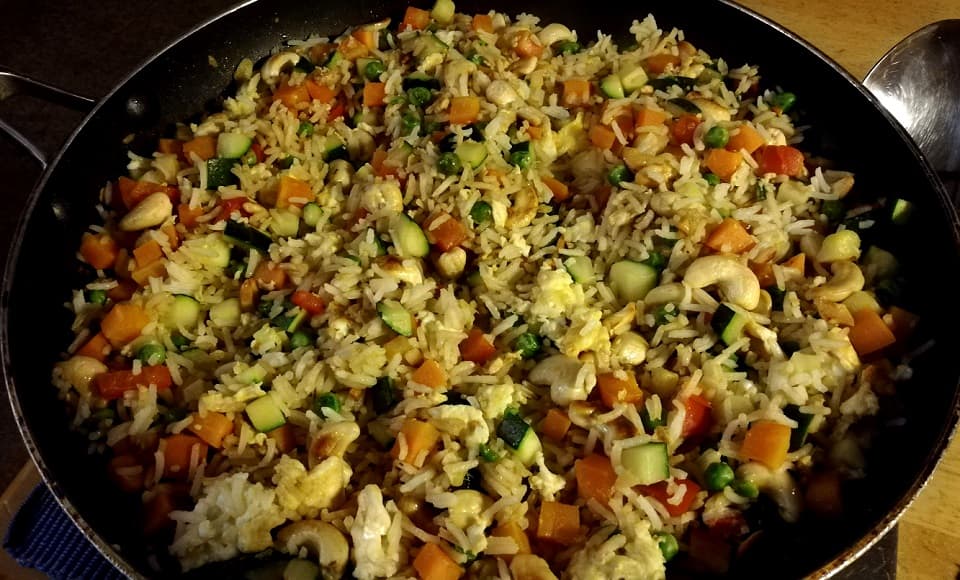
In global gastronomy, chefs now blend East and West through textural storytelling. Sticky rice bowls topped with roasted chickpeas, cashews, or grilled zucchini appear in fine dining and street markets alike. The message is universal — contrast creates completeness.
The visual and tactile interplay transforms humble ingredients into an artful narrative — one that speaks of cultural meeting points and sensory unity.
4. Sensory Synergy: How the Palate Reads Layers
4.1 The Psychology of Texture Pleasure
Why do people enjoy textural contrast so much? Neuroscientists suggest it’s tied to anticipation and surprise. When food offers multiple sensations — a soft base, a crisp top, a burst of aroma — the brain perceives novelty with every bite.
This stimulates dopamine release, producing a feeling of delight and curiosity. A dish of sticky rice with roasted nuts doesn’t just feed hunger; it engages cognition, making eating an act of exploration.
4.2 The Role of Sound and Touch
Crunch is not only felt but heard. Studies show that the sound of crispness enhances perceived freshness. When you bite into roasted vegetables or toasted almonds, the auditory cue reinforces the satisfaction of texture contrast against the soft silence of rice.
Chefs increasingly design dishes with such multisensory awareness, crafting compositions that please both the ear and the eye.
5. Nutritional and Functional Harmony
5.1 Balancing Energy and Nutrients
From a nutritional perspective, the combination of rice, nuts, and vegetables is exemplary.
- Rice provides carbohydrates for energy.
- Nuts add protein, fiber, and healthy fats.
- Roasted vegetables contribute vitamins, antioxidants, and minerals.
Together, they create a balanced meal that satisfies without excess. The sticky texture of rice slows digestion, stabilizing blood sugar levels, while the fats and fibers from nuts enhance satiety.
In a world seeking both flavor and health, this harmony embodies culinary functionality.
5.2 Natural Color, Natural Beauty
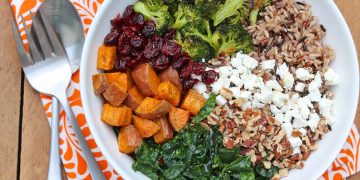
The colors of roasted vegetables — golden carrots, emerald broccoli, scarlet peppers — form a striking visual contrast against the neutral tones of rice. Unlike artificial garnishes, these hues emerge naturally from Maillard browning and caramelization, representing authentic beauty through cooking itself.
6. Global Variations and Inspirations
6.1 Asian Inspirations
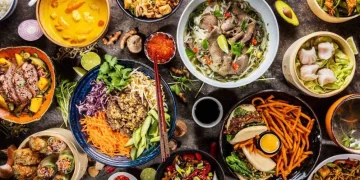
- Japanese Donburi: Sticky rice topped with sesame-crusted tofu, edamame, and roasted root vegetables — clean, balanced, and visually rhythmic.
- Korean Bibimbap: A sensory masterpiece of warm rice, crunchy sprouts, sautéed greens, and nuts, crowned with a golden yolk — a celebration of texture and color.
- Thai Mango Sticky Rice: Though sweet, it follows the same textural logic — soft rice with toasted mung beans and fresh fruit for contrast.
6.2 Middle Eastern and European Influences
- Persian Jeweled Rice: Glutinous long-grain rice mixed with pistachios, almonds, and pomegranate seeds — a luxurious visual mosaic.
- Mediterranean Grain Bowls: Incorporating roasted zucchini, pine nuts, and rice or quinoa — freshness meeting crunch.
Each variation, though culturally distinct, expresses the same universal principle: contrast equals completeness.
7. Modern Culinary Interpretation: From Plate to Art
7.1 Fine Dining and Minimalist Design
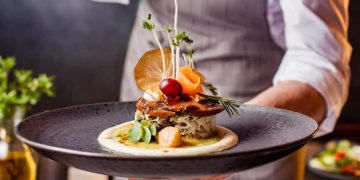
In haute cuisine, texture layering is an artistic discipline. Chefs use rice as a neutral medium for expressing contrast — paring roasted vegetables into geometric forms, scattering toasted nuts for asymmetry, and painting sauces to accentuate color gradients.
The goal is controlled imperfection — where natural irregularities of nuts or charred edges evoke authenticity within refined composition.
7.2 Plating as Visual Architecture
Food styling often borrows from architecture and landscape design. A dish combining sticky rice and roasted elements mimics topographical layering — smooth plains and textured peaks. Photographers capture these contrasts to highlight depth and tactility, often emphasizing shadows and light play across glossy rice and matte vegetables.
The result is culinary sculpture — edible design that communicates craftsmanship, nature, and harmony.
8. Sustainability and Simplicity
8.1 Local Ingredients, Global Language
The rice-and-nut combination champions sustainability. It utilizes whole grains, seasonal vegetables, and plant-based proteins — aligning with modern environmental ethics. In many cultures, these ingredients are staples that minimize waste and encourage community farming.
Thus, the dish symbolizes ethical elegance: beauty derived from simplicity and mindfulness.
8.2 Redefining Luxury Through Texture
Luxury in modern gastronomy no longer relies on rarity or excess. It lies in sophisticated simplicity — where everyday ingredients, through thoughtful composition, evoke richness.
A bowl of glutinous rice adorned with roasted nuts and vegetables embodies this philosophy: an aesthetic of restraint, where contrast provides sensory luxury without extravagance.
9. The Artistic Legacy of Culinary Contrast
Throughout history, artists and poets have celebrated the meeting of opposites — softness and strength, light and shadow. Food, too, mirrors this aesthetic philosophy.
In literature, Chinese poets likened rice grains to pearls; in Persian art, golden almonds and saffron rice symbolized prosperity. Today’s chefs, whether plating minimalist rice bowls or intricate fusion creations, continue that lineage — expressing culture through edible form.
Conclusion: The Harmony of Contrast
When soft, sticky rice meets crunchy nuts or roasted vegetables, something profound happens. The dish becomes a sensory dialogue — between warmth and crispness, humility and complexity, simplicity and sophistication.
Visually, it captures light and color in layers; emotionally, it conveys comfort and curiosity.
Scientifically, it engages multiple senses; culturally, it bridges traditions from Asia to the Mediterranean.
This pairing is not just a matter of taste — it is a philosophy of balance. In a single bowl, one experiences the truth that opposites complete each other — that culinary art, like life itself, finds beauty in contrast.
To savor such a dish is to understand harmony — not as sameness, but as the meeting of difference.